
Fish & Marine Life
Popular game fish plus iconic marine wildlife seen on the water.
How to spot & respect
Read grass edges, current seams, and bait signs first. Watch birds, then tune in to wakes, pops, flashes, and “nervous water.” Handle fish with wet hands, keep fights short, support weight horizontally, and let wildlife stay wild. When in doubt, ease up and observe—water will start teaching you.
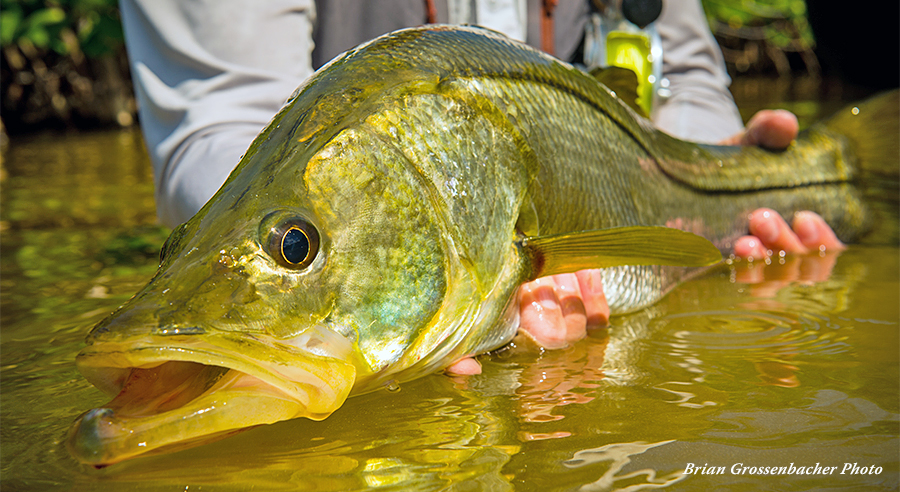
Snook (Centropomus undecimalis)
Our most cunning inshore target, and the fish that turns you into a tide reader. Big snook are usually wiser and, in many cases, female—snook are protandric, meaning many start male and transition to female as they grow. Think shade lines, eddies, and pinch points: anywhere water funnels food. Whisper-quiet entries matter more than fancy patterns; first shots beat follow-ups. Work dawn edges with topwater or unweighted baitfish flies, then slide to docks and bridge shadows as the sun climbs. When they’re suspended, a slow fall often flips the switch. Treat them gently—keep gills in the water, support the belly, and let that silver rocket kick off strong.
- ID tips: Bold lateral line, sleek green-silver body, sloped head.
- Ethic: Wet hands; horizontal support; quick, clean release.
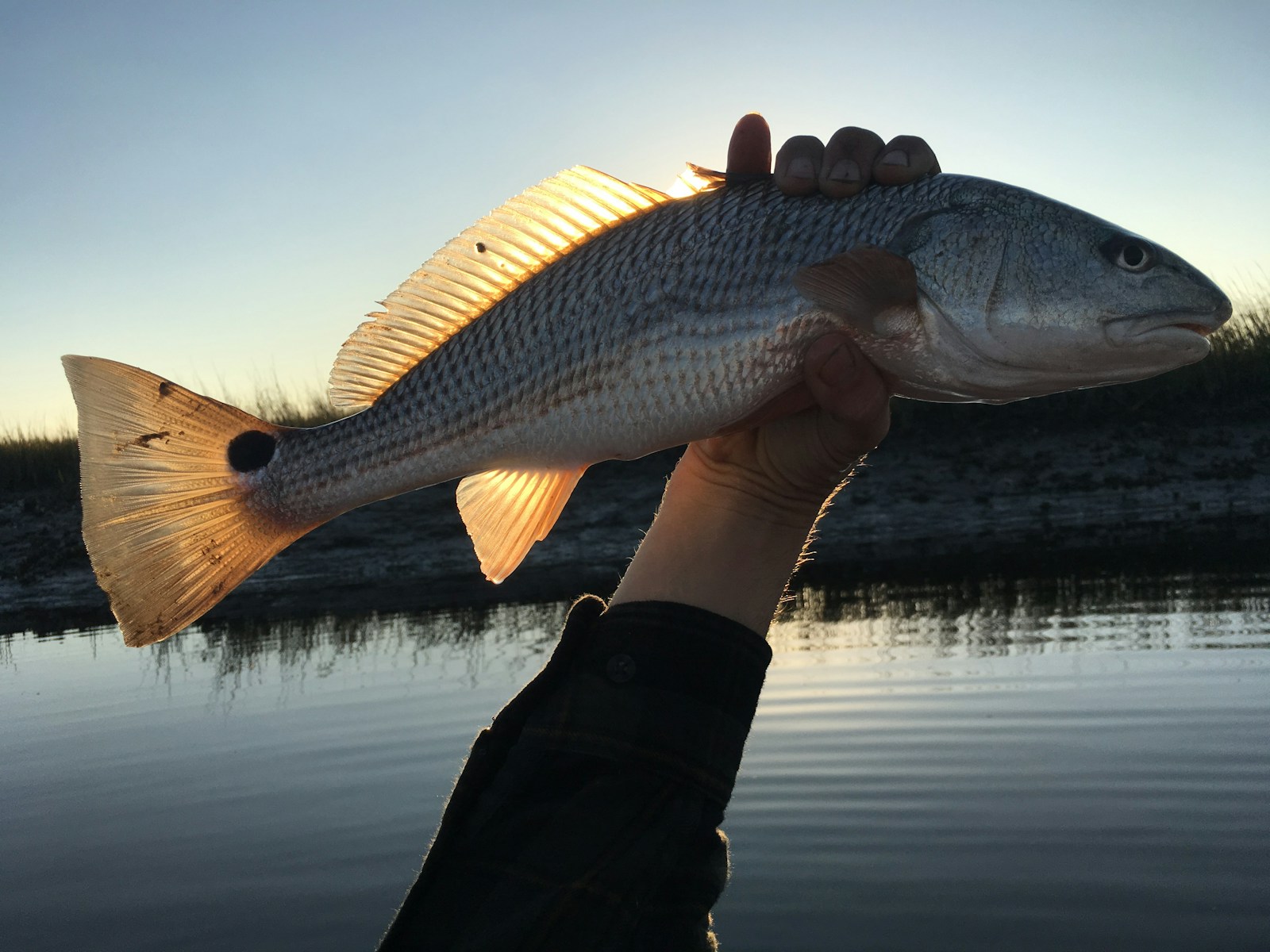
Redfish / Red Drum (Sciaenops ocellatus)
Locals’ fly favorite—calm, shallow mornings where tails tick and backs push. Reds love edges: mangrove fringes, oyster transitions, sand “potholes” in grass. Lead them, land soft, and start moving the fly as the head angles down. Vivid eats are the reward: gulps on a toad in inches of water, or shoulder-rolls on a waking plug. When winds pick up, drift with it and snipe potholes like targets. In dingier bays, sound and push are your tells. They rarely wander far from “home,” so good water stays good across seasons—until pressure or clarity say otherwise.
- ID tips: Copper flanks; one or many tail spots; no chin barbels.
- Tip: Stay patient on refusals; change angle and lead distance first.
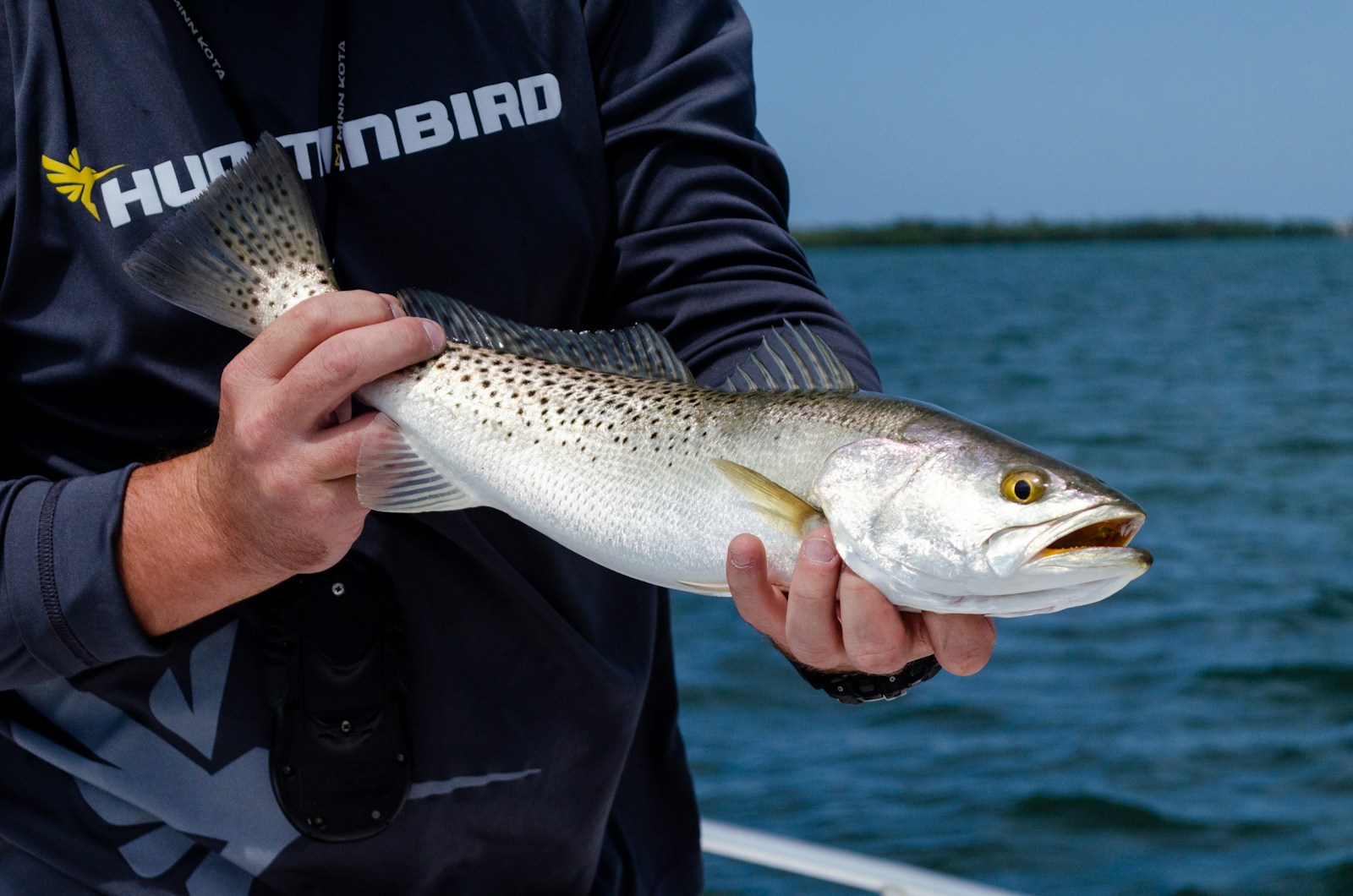
Spotted Seatrout (Cynoscion nebulosus)
The grass-flat bellwether: if trout are popping, the flat is alive. Expect ambush behavior—they hold on edges and rush out for a single decisive strike. Dawn can bring explosive topwater (pups to gators), but midday drifts with suspending baits or unweighted minnows keep rods bent. Think fan-casts across potholes, tide-swept lanes, and the windward side when bait stacks. They’re also the gateway fish for new anglers: easy to approach, quick to teach you about tide, sun angle, and boat noise. Kept within local rules, they make fine table fare; released well, they’re there tomorrow.
- ID tips: Silver-olive with scattered black spots; fang-like canines.
- Tip: Drifts beat anchoring—cover water until you find a “lane.”
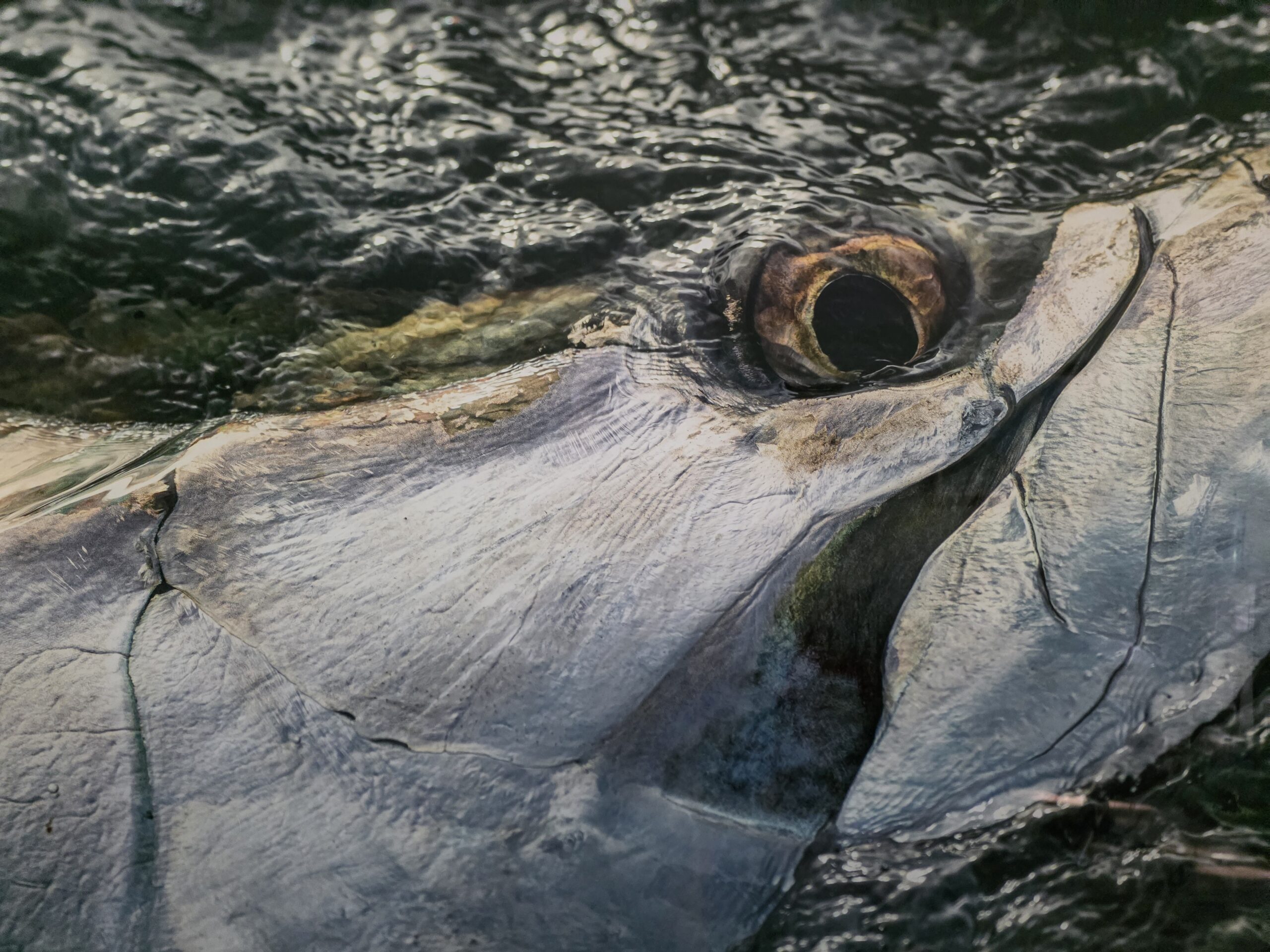
Tarpon (Megalops atlanticus)
The king—pure power and pageantry. Migrating strings along the beach will humble you, and a single close shot can make a season. Read light and wind, pick a fish (not the pod), and put it where the fish will be, not where it is. Once connected, bow on jumps, pressure on turns, and keep the fish in the water for photos if possible. Night docklight fish are a different animal—more eats, pickier leaders. The great lesson tarpon give is honesty: be real about angle, speed, and your cast, and they’ll reward you.
- ID tips: Huge silver scales; upturned mouth; frequent “rolling.”
- Ethic: Water-level handling; thorough revival; no chase-and-drag photos.
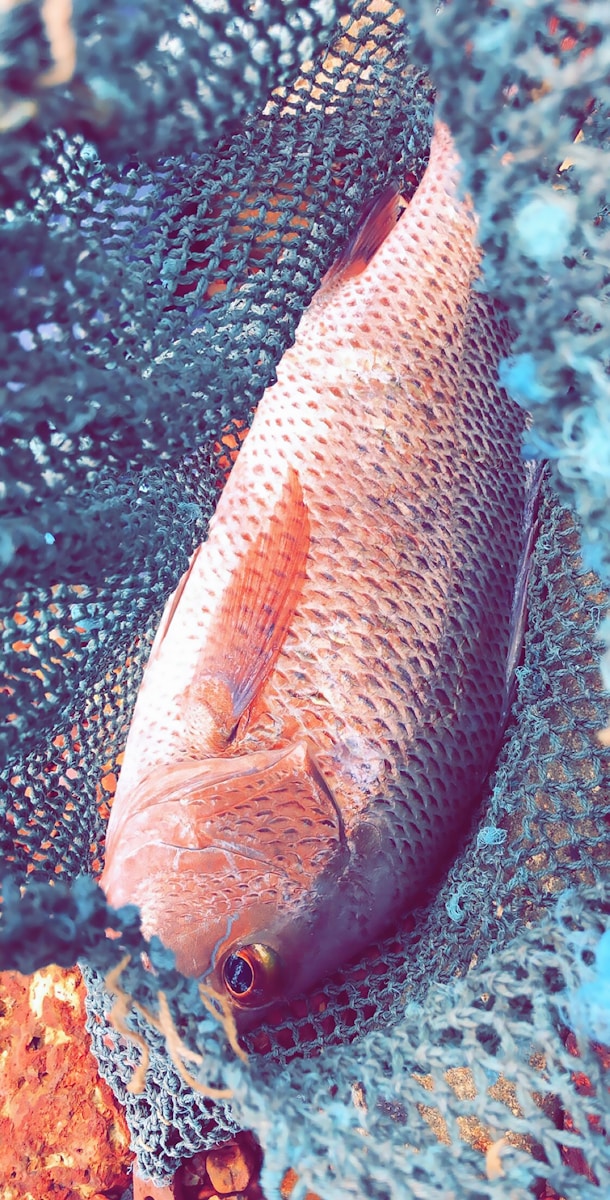
Mangrove Snapper (Lutjanus griseus)
Crafty and delicious. Gray snapper hug structure and dart out when current delivers groceries. Small, natural offerings shine—shrimp, pinfish chips, sparse minnows. You’ll win or lose them in the first two seconds: hit hard, turn their head, and steer clear of pilings. On fly, think compact baitfish on short leaders and no-slack strips. If you like clean white fillets and quick dinners, this is your fish—harvest only within local rules and never over rack limits.
- ID tips: Gray-brown body; faint bar through eye; canine teeth.
- Tip: Short to medium leaders; side pressure away from cover.
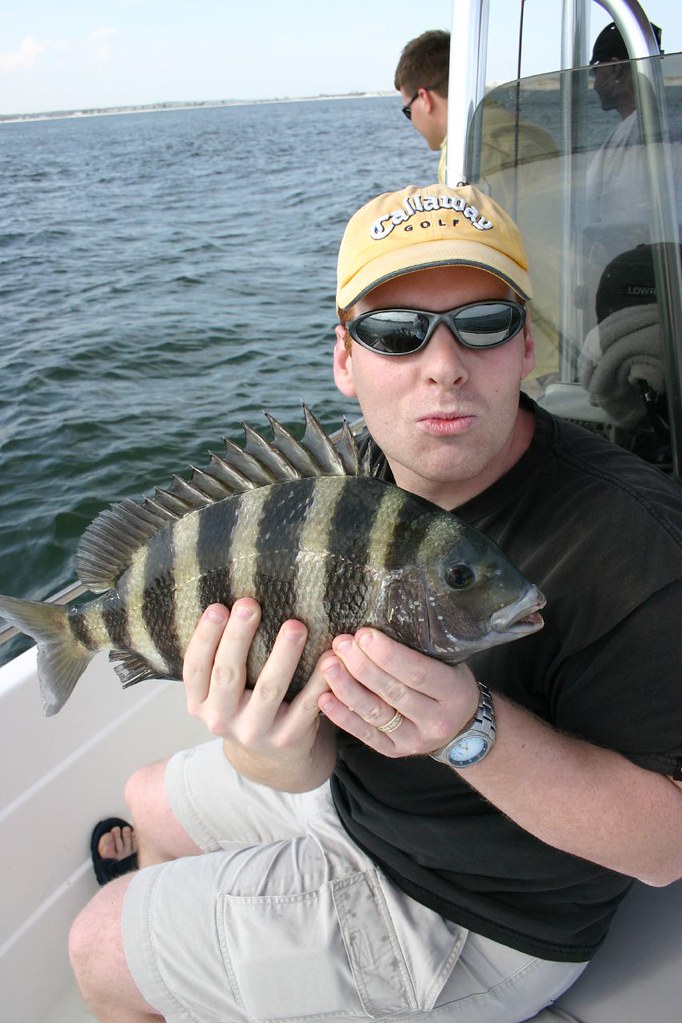
Sheepshead (Archosargus probatocephalus)
The crustacean specialist with human-looking teeth. Cold months pack them tight on structure, vertical and nibbling barnacles. Bites are sneaky: you’ll feel weight before you feel taps, so lift to load the rod. Micro crabs and small shrimp do the work; downsize everything and fish slow. Table quality is excellent if harvested within local rules. For kids, this fish teaches touch and patience—skills that transfer to everything else.
- ID tips: Bold black bars; blunt head; strong incisors.
- Tip: “Set on weight” instead of chasing pecks.
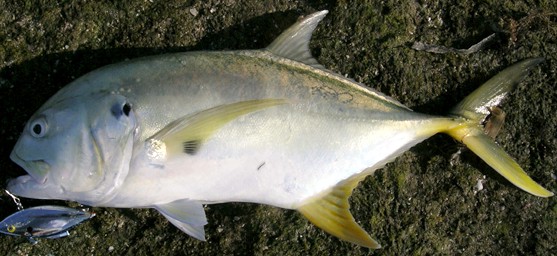
Jack Crevalle (Caranx hippos)
Chaos in a yellow-finned package. Jacks herd bait to seawalls, beaches, and bridge shadows, then smash it in loud, frothy packs. They grunt, pull like tractors, and humble drags. Find birds and bait showers; cast something fleeing and hang on. Not famous as food here, but unforgettable as a fight—great confidence fish for newer casters and a grip-and-grin machine for kids.
- ID tips: Deep body; black tail spot; gold sheen along flanks.
- Tip: Fast strips and no pauses—speed triggers the charge.
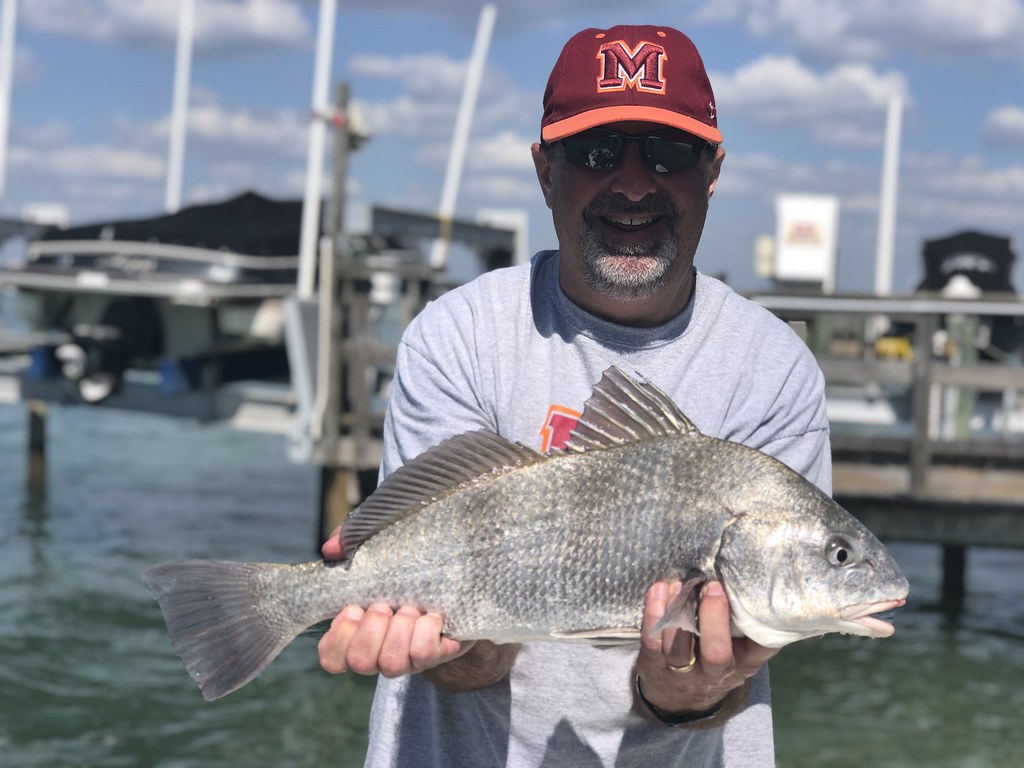
Black Drum (Pogonias cromis)
Percussion you can feel—hook a big one and you’ll hear that chest-thump “drum.” Juveniles haunt bays and creeks; giants roam channels and winter spots. They root for crabs and shrimp more than they chase, so think low presentations and short hops. Sight-fishing singles on calm days is a treat; working edges for schools is the steady play. Optional for the table depending on size; release those grandpas to keep the beat going.
- ID tips: High back, chin barbels, gray-black body (juveniles may show faint bars).
- Tip: Crabby flies/jigs, patient retrieves, and steady pressure.
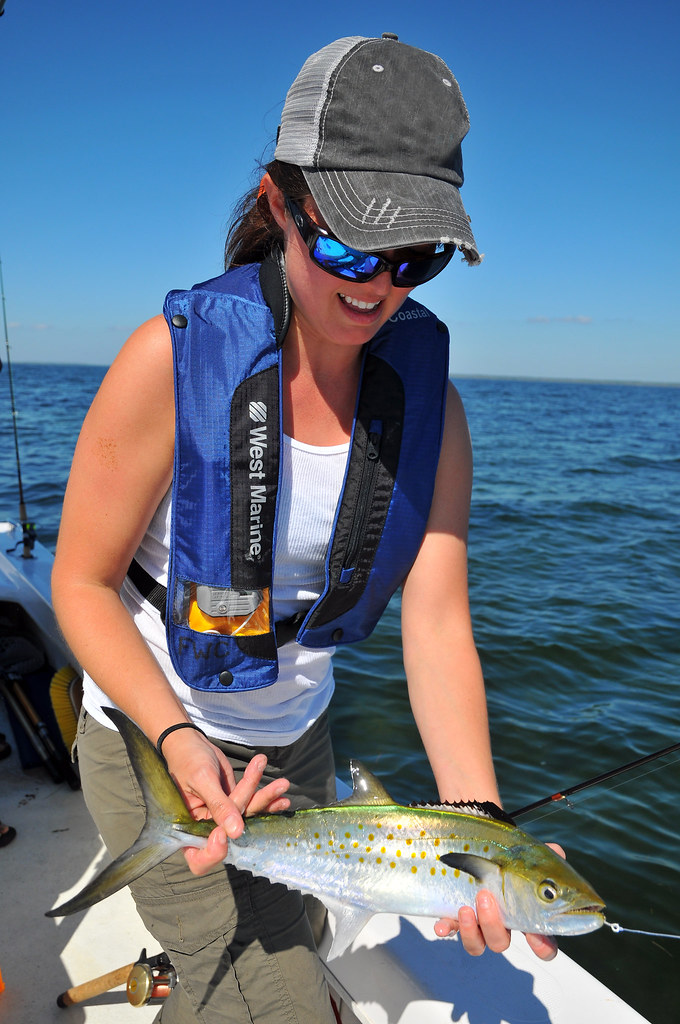
Spanish Mackerel (Scomberomorus maculatus)
Built for speed. Find diving birds and surface sprays where they pin bait high. Small metals, spoons, glass-minnow imitations, and fast retrieves are the standard play; flies work when they’re frothing. Watch that leader—teeth will tax you. Smoked or in fish dip, they’re hard to beat. On calm winter mornings they’ll slide inside the beaches; in spring and fall, look to color edges offshore.
- ID tips: Slender torpedo; yellow spots; sharp, narrow jaw.
- Tip: Speed wins; wire or heavy fluoro saves heartbreak.
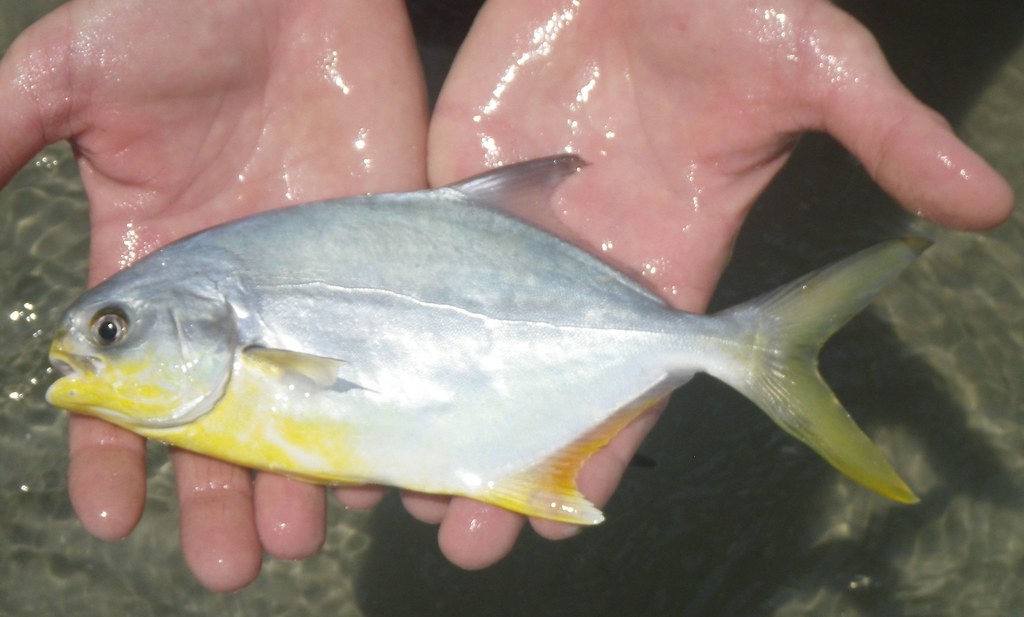
Florida Pompano (Trachinotus carolinus)
A surf jewel—quick burners that ride wave energy along cuts and troughs. Tiny jigs and sand-flea imitations are the go-to, hopped low across the bottom. Walk the beach and fish “structure you can’t see”: subtle dips, outer bars, and cloudy seams where food funnels. When winter water clears and chills, they can group tight and move fast—cover ground until you intersect a lane, then repeat that rhythm down the beach.
- ID tips: Bright, deep body; small mouth; sickle-shaped fins.
- Tip: Cast at a 45° across the drift; maintain bottom contact.

Bottlenose Dolphin (Tursiops truncatus)
Social, smart, and often curious around boats. You’ll spot the blow first, then a smooth arc and tail kick as they corral bait. Calves stay close to mom, and groups will “team herd” fish against sandbars. Best practice is simple: steady speed, wide arcs, no feeding, no wake-chasing. The best encounters are unforced—you keep course and they decide the show.
- Look for: Coordinated arcs, bait “pushes,” and birds joining the party.
- Boater note: Give mothers with calves extra space; observe, don’t pursue.
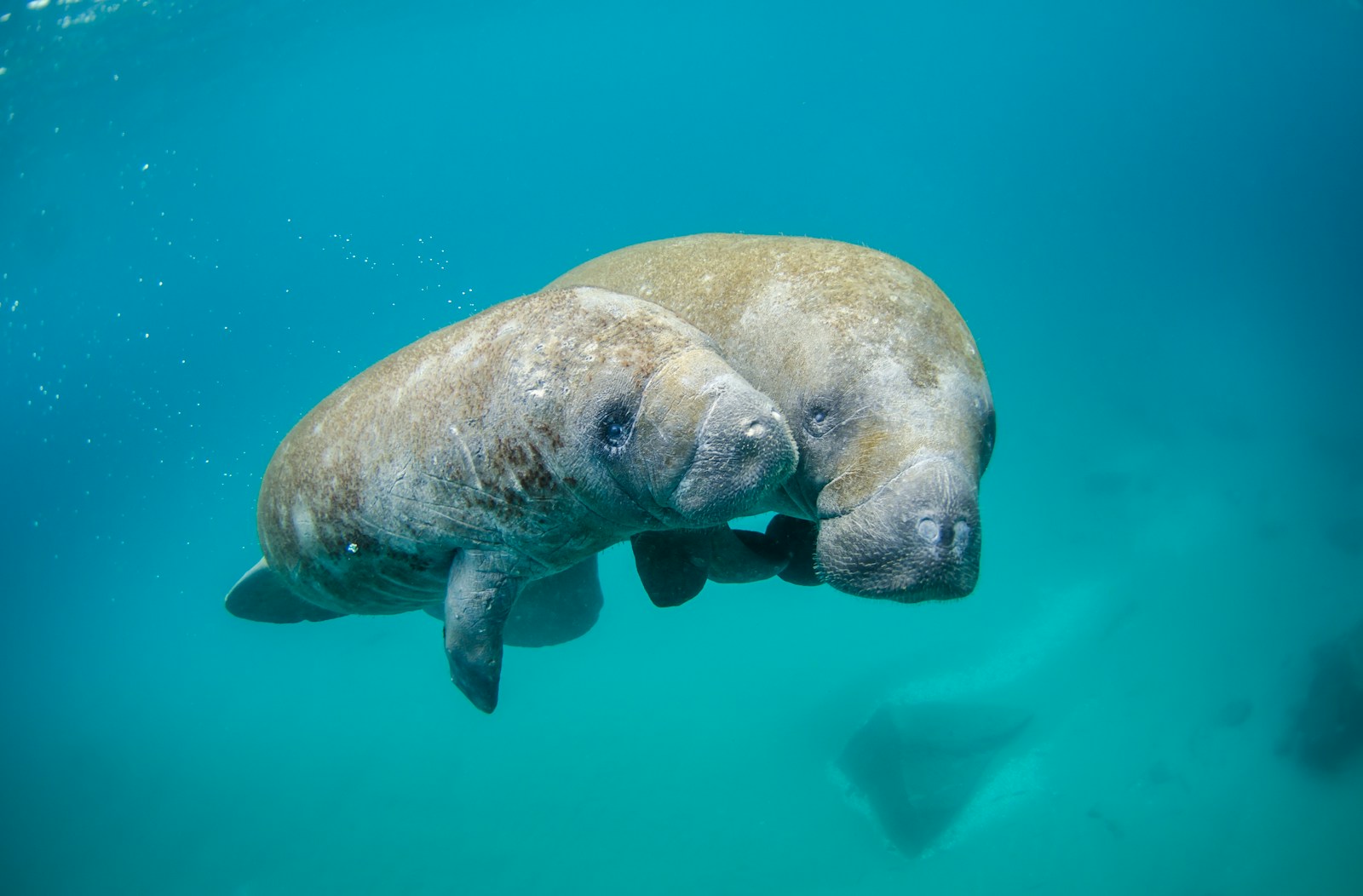
West Indian Manatee (Trichechus manatus)
Gentle giants that captains are always scanning for. Clues are subtle—round swirls, slick “footprints,” and occasional plumes from a tail stroke. Idle in manatee zones, trim up, and avoid abrupt turns in murky water. In cold snaps they gather at warm springs or outflows; in summer, singles or pairs drift quietly along mangroves. If you’re lucky enough to see one near the boat, let them set the distance.
- Look for: Nostrils at the surface, gentle rolls, and slicks in calm water.
- Boater note: Slow is safe; never crowd, chase, or feed.
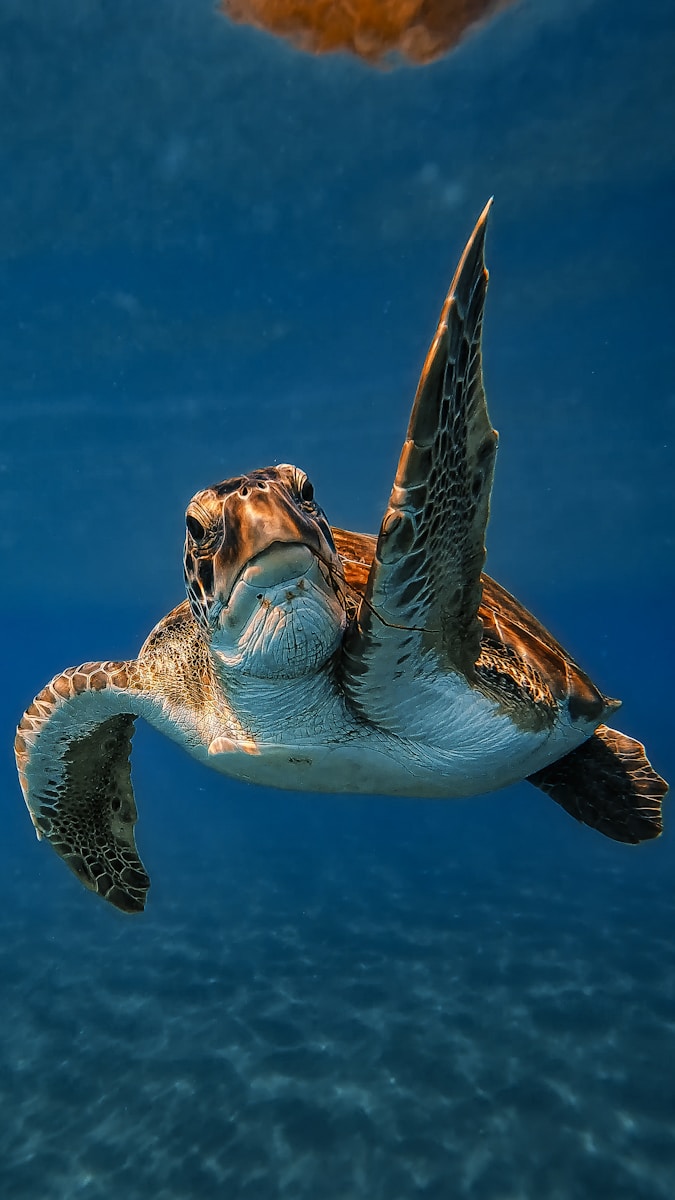
Loggerhead Sea Turtle (Caretta caretta)
One of Florida’s signature nesters. Guides often spot the quick head-pop before anyone else—loggerheads breathe and dip in one smooth motion. Offshore, they cruise color changes and bait; near beaches in warm months, they’re between deeper lanes and the sand. At night, keep lights low on nesting beaches, fill in holes, and pack out gear so hatchlings have a clean run to the water.
- Look for: Cappuccino-colored head, broad carapace, deliberate swimming.
- Beach note: No lights, no flash, no approaching nesting turtles.
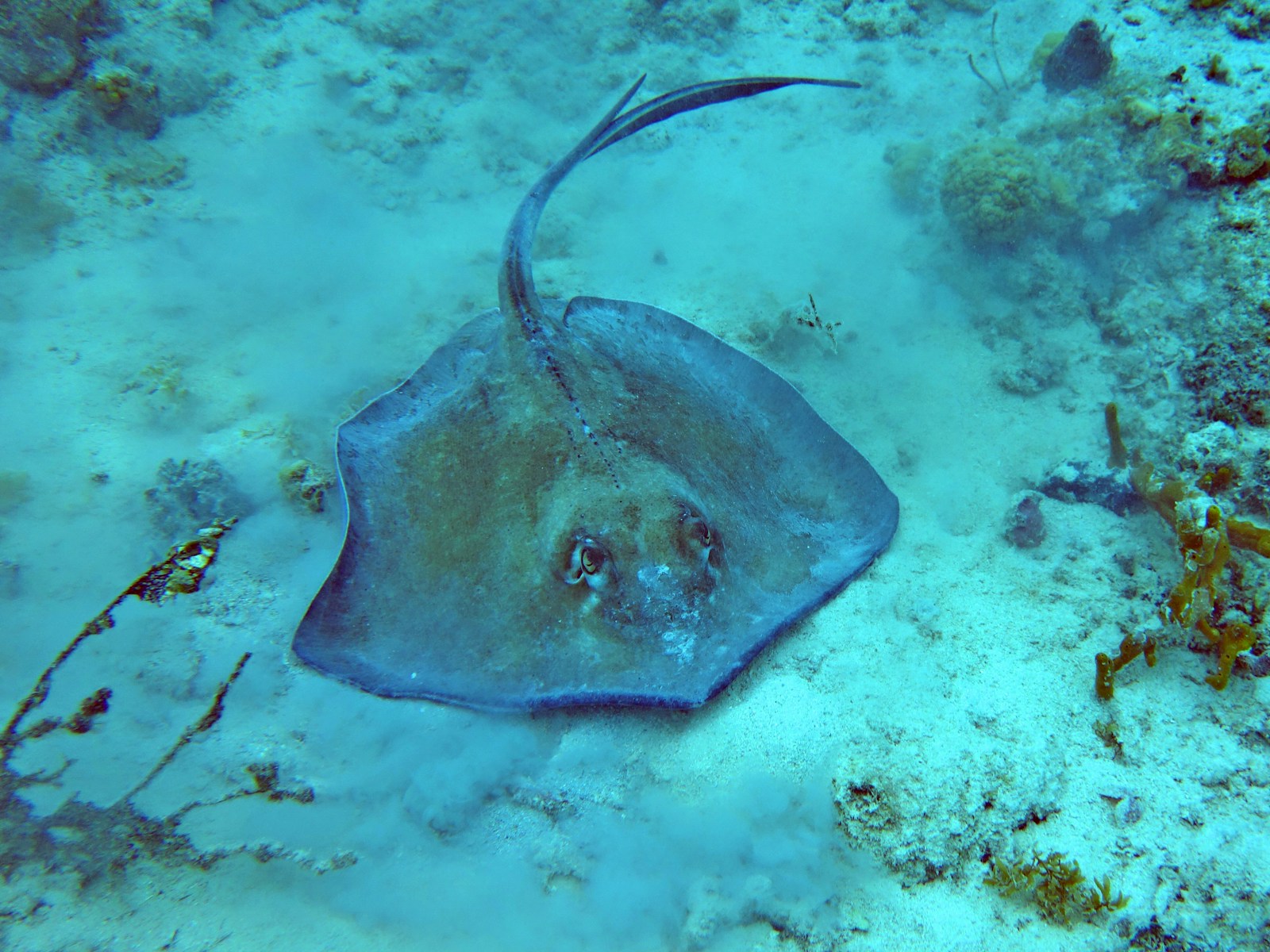
Southern Stingray (Hypanus americanus)
Beautiful gliders that vanish with a flick and a puff of sand. Rays bury in light bottoms and feed by fanning the substrate for crabs, clams, and worms. They’re a joy to watch on dives and drifts; for waders, the “stingray shuffle” is your friend—slide your feet so a buried ray has time to move. Give wide berth to any ray you see settled and let the water clear before stepping forward.
- Look for: Disc-shaped outlines, trailing tail, sudden sandy plumes.
- Wader note: Shuffle steps; pause if water suddenly muddies.
Plan a day on the water
We’ll match tides, windows, and goals—sight-fish, learn local water, or just watch wildlife the right way.