Reptiles & Amphibians
Gators, turtles, snakes, and chorus-making frogs you’re most likely to meet in Southwest Florida — plus how to spot them and give them the room they deserve.
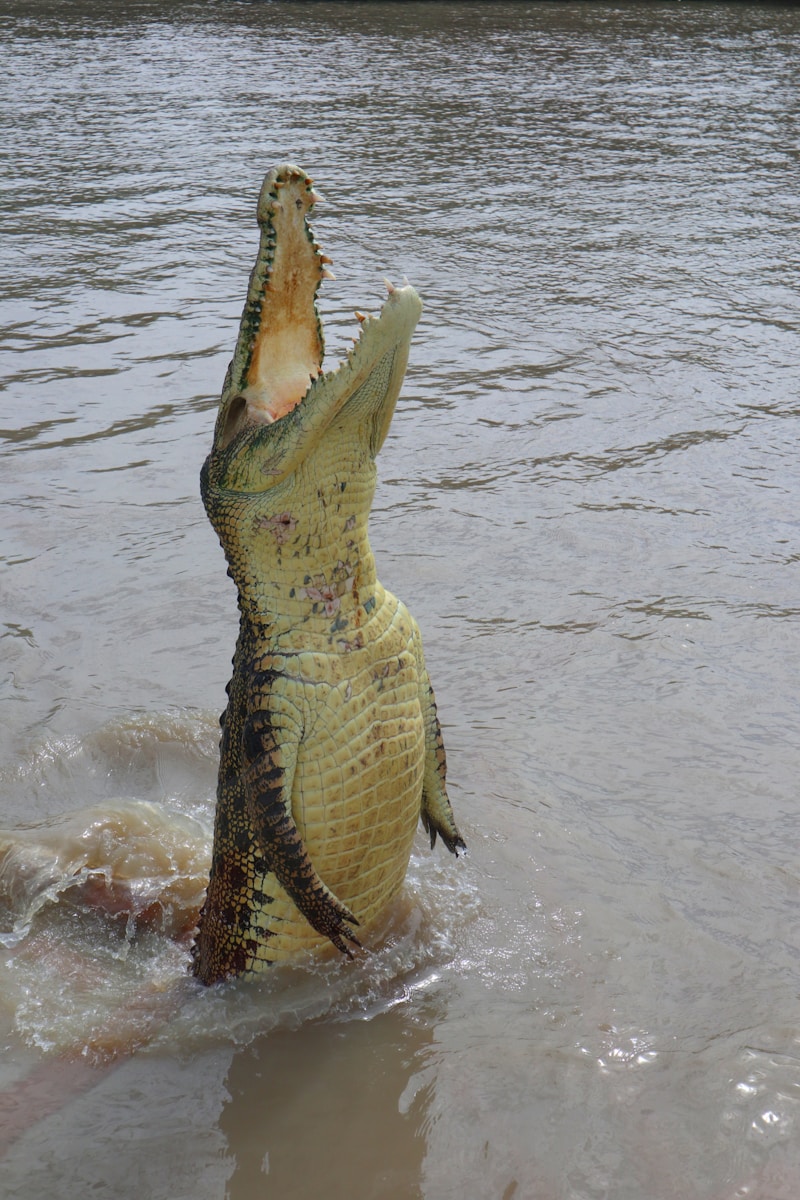
American Alligator Alligator mississippiensis
Florida’s most famous reptile and the heartbeat of our wetlands. Alligators spend warm hours basking, then patrol edges for fish, crayfish, and the occasional careless mullet. They’re shy but powerful; most encounters are a quick look and a gentle slide beneath the surface.
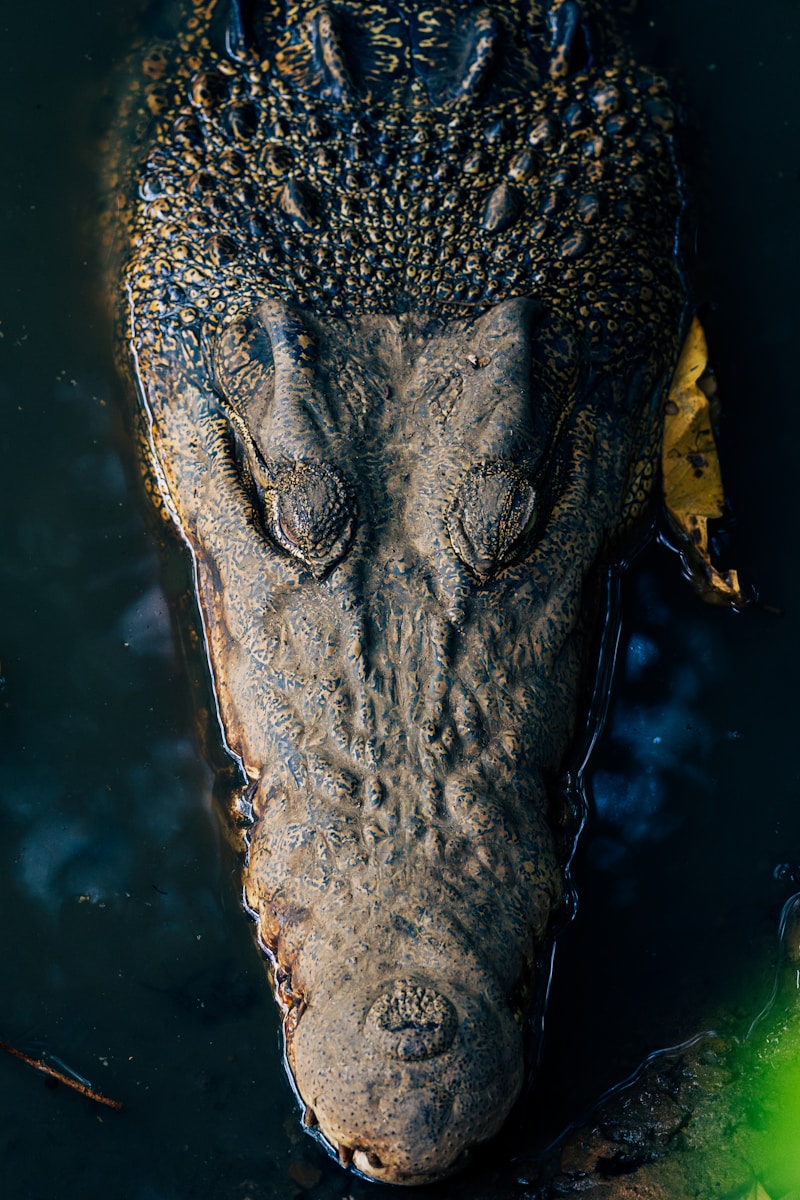
American Crocodile Crocodylus acutus
South Florida’s salt-tolerant cousin to the gator, rare but possible on our lower Gulf coast. Crocs prefer warm, brackish bays and coastal canals where tides bring easy fish meals.
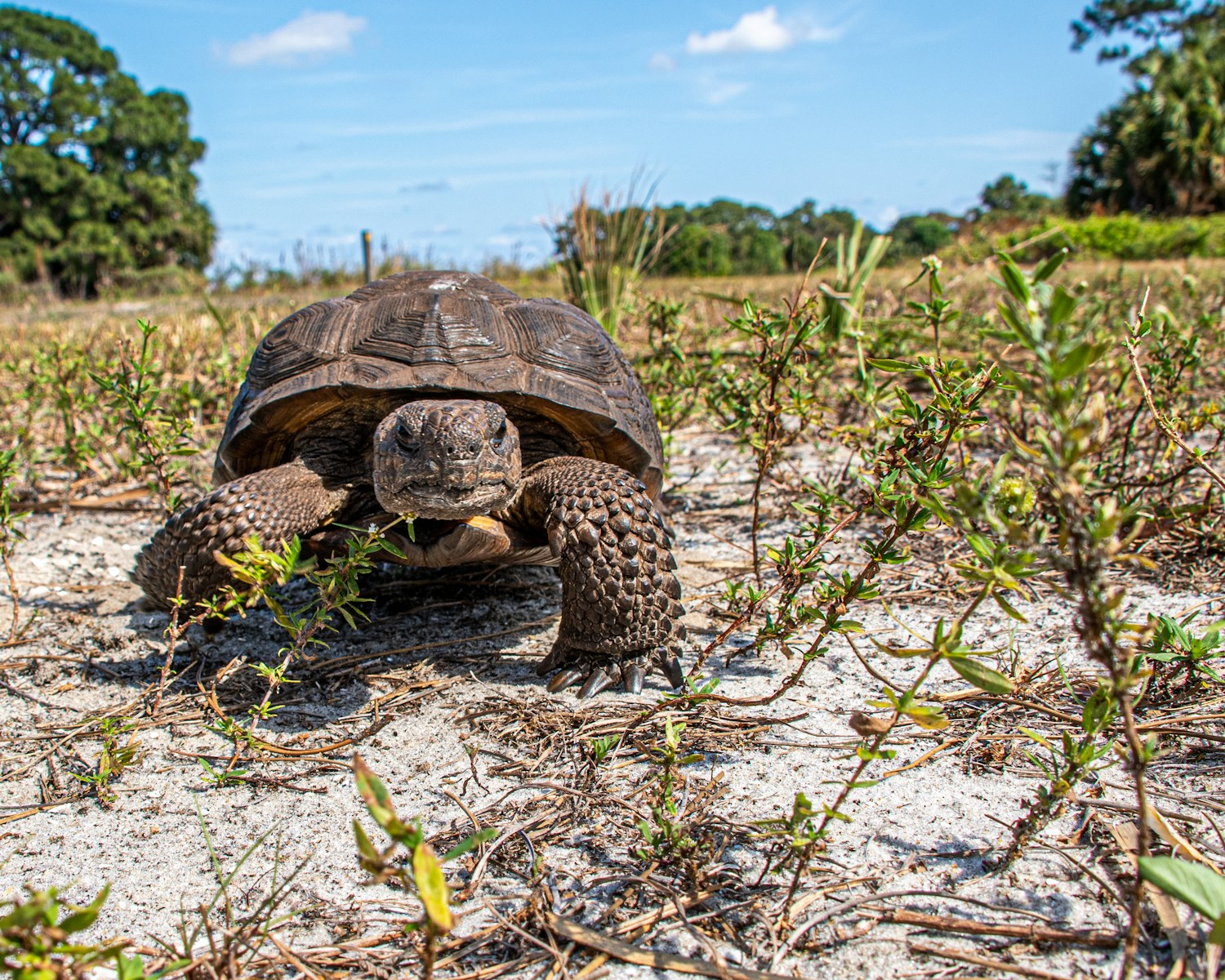
Gopher Tortoise Gopherus polyphemus
Our land-dwelling tortoise engineers deep burrows in sandy uplands and dune scrub. Those burrows shelter hundreds of other species, making the tortoise a keystone neighbor.
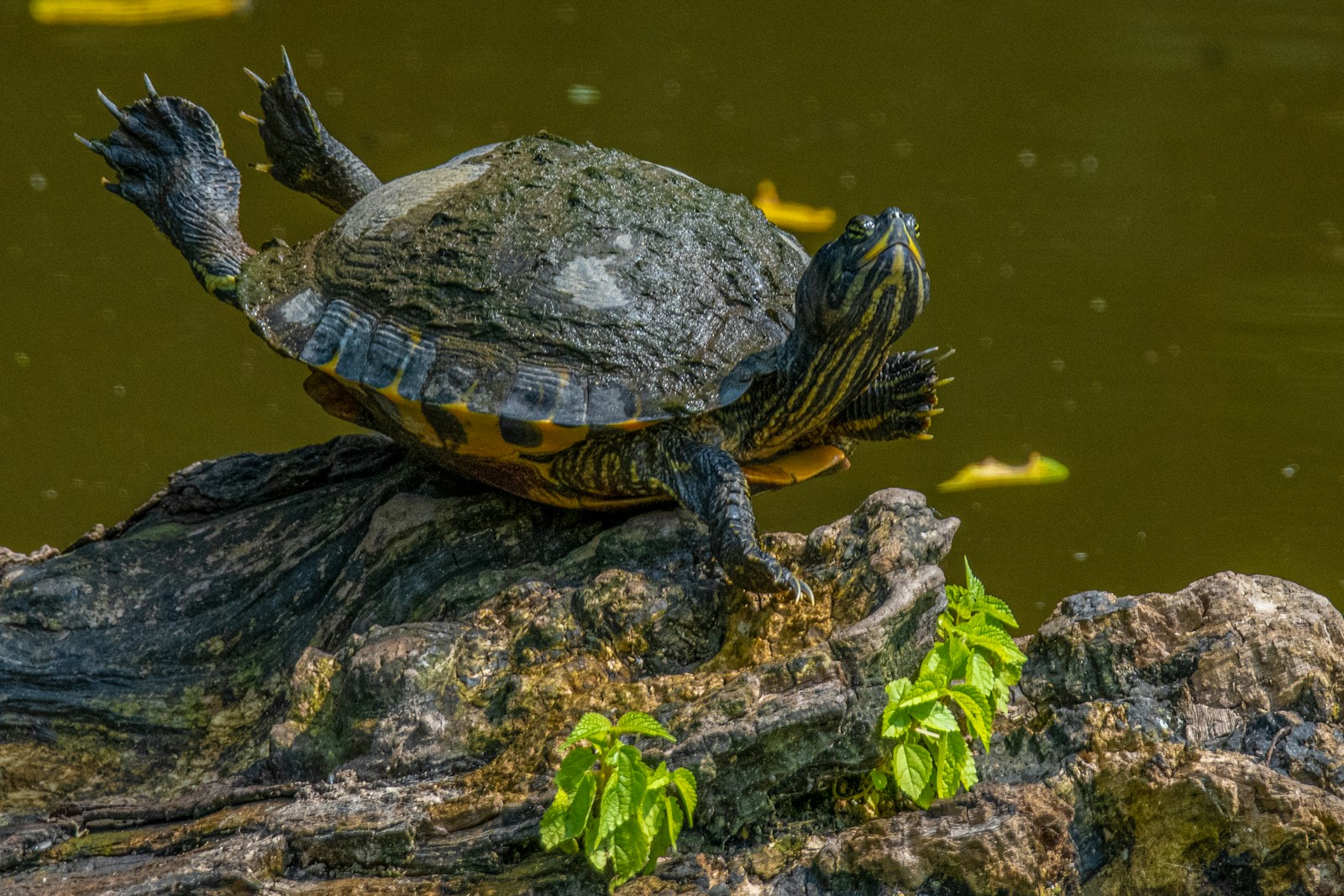
Peninsula Cooter Pseudemys peninsularis
A sun-loving freshwater turtle often stacked on logs like pancakes. Cooters graze aquatic plants and slip into the water at the lightest footstep.
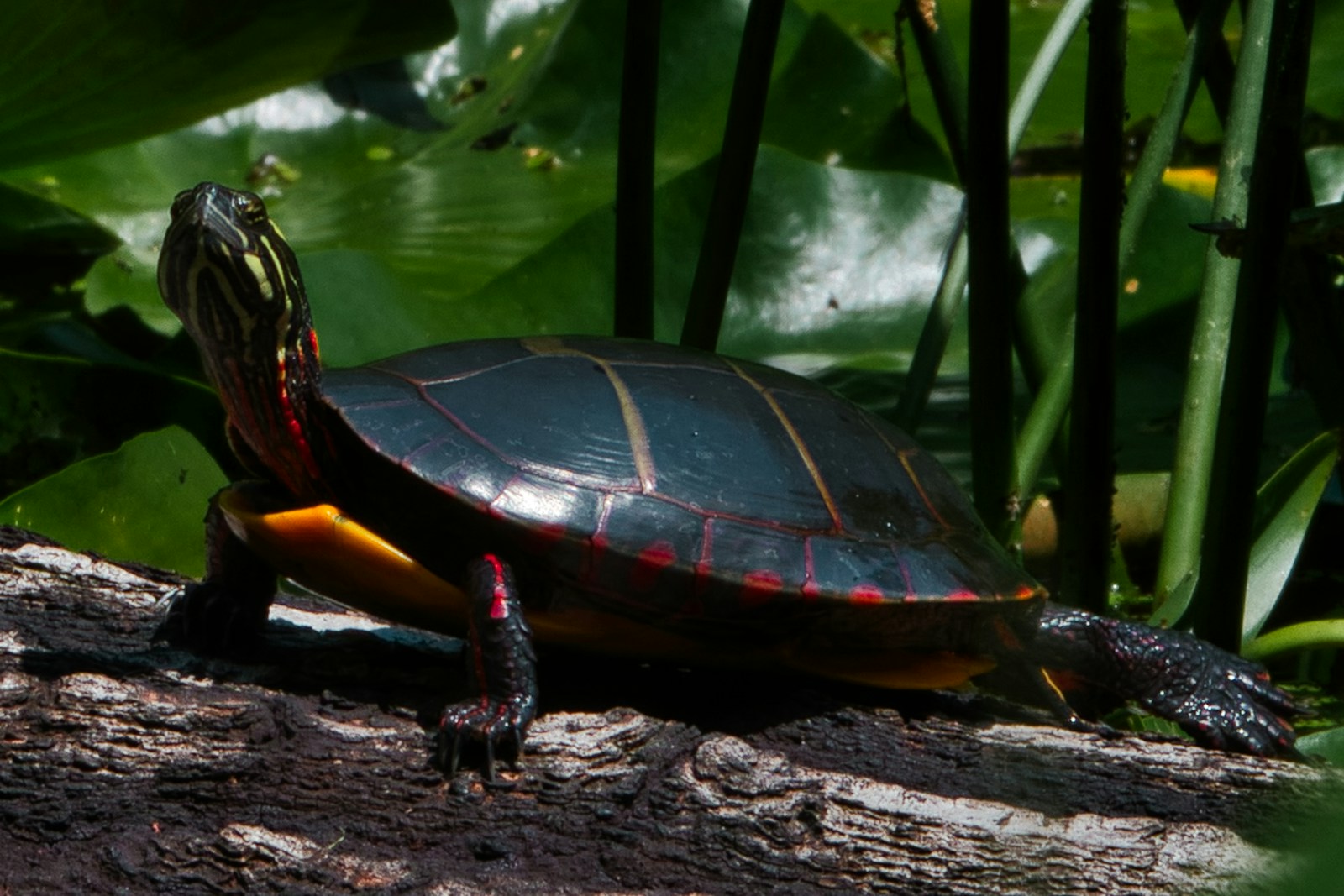
Florida Red-bellied Cooter Pseudemys nelsoni
Another basker of canals and marsh edges. Look for the reddish-orange plastron (belly) and bold striping when one pivots off a log.
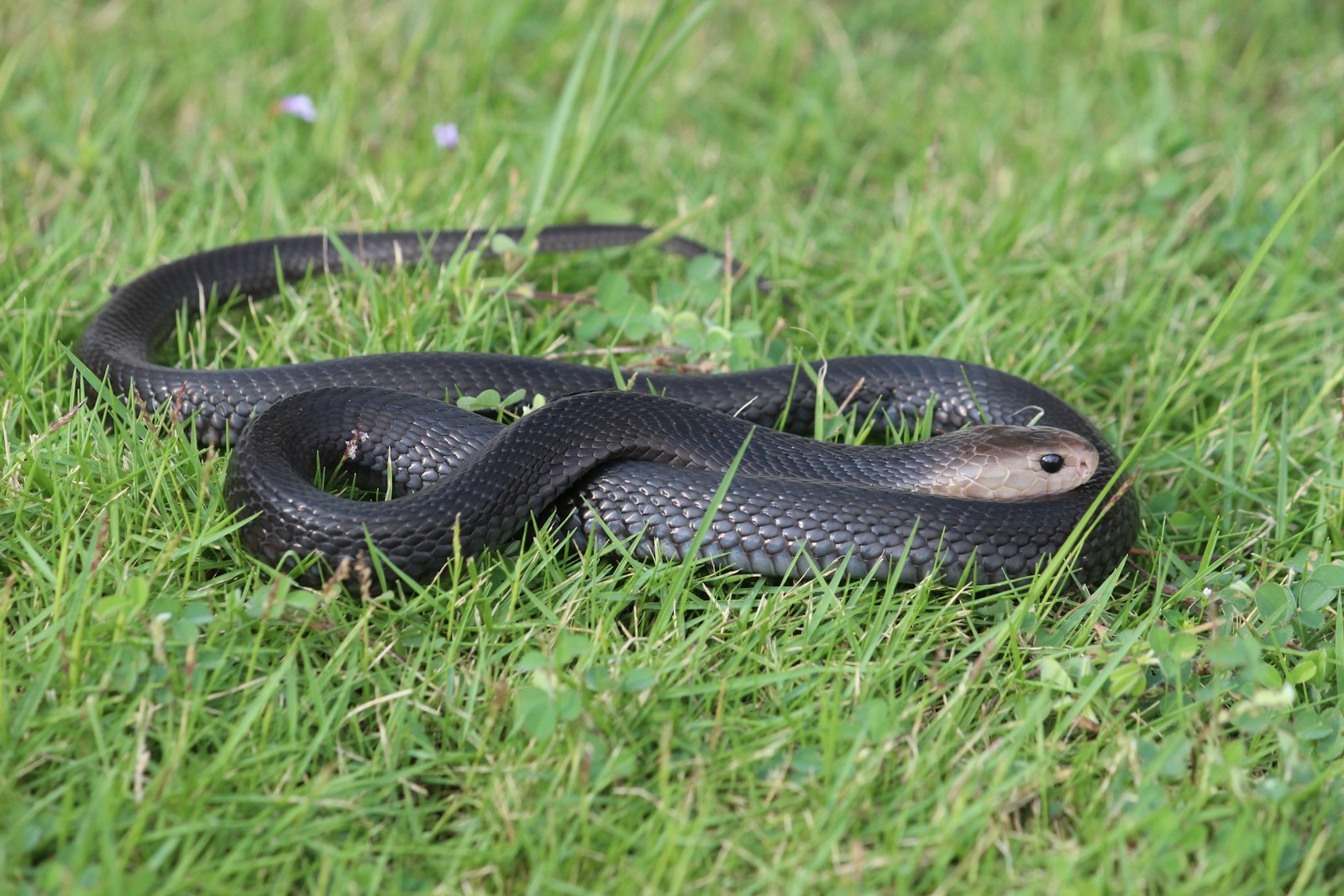
Southern Black Racer Coluber constrictor priapus
Florida’s most common yard snake: sleek, quick, and all business. Racers patrol edges for lizards, frogs, and insects, then vanish like a shadow through palmettos.
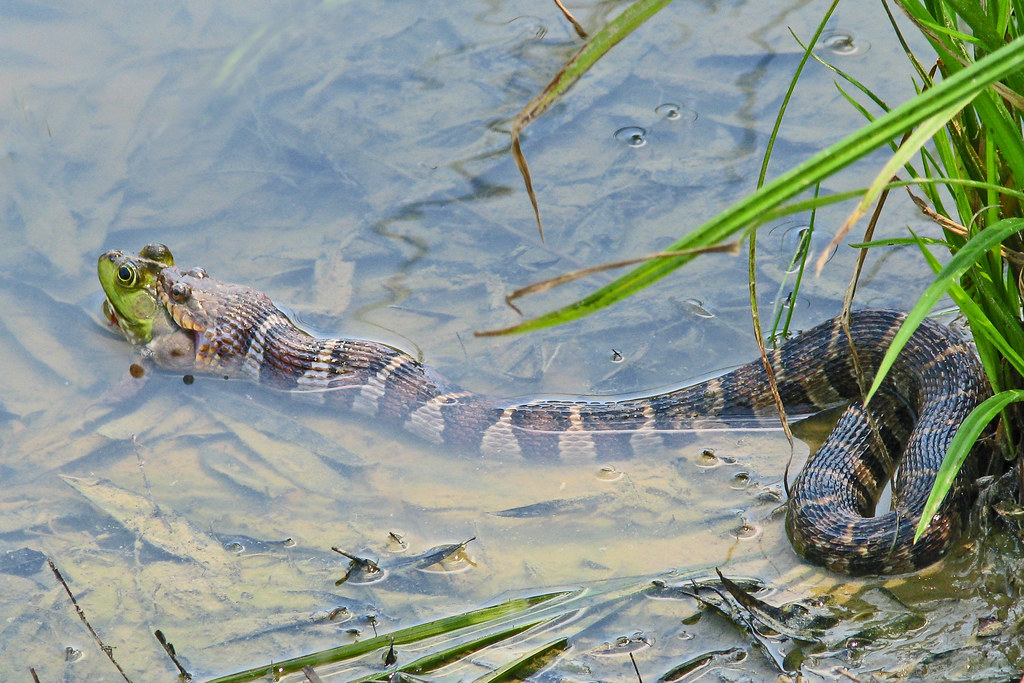
Florida Watersnake Nerodia fasciata pictiventris
Often mistaken for a cottonmouth, this non-venomous fish and frog hunter is a regular on retention ponds and marsh edges. When surprised it may flatten its head and musk — a bluff to be respected.
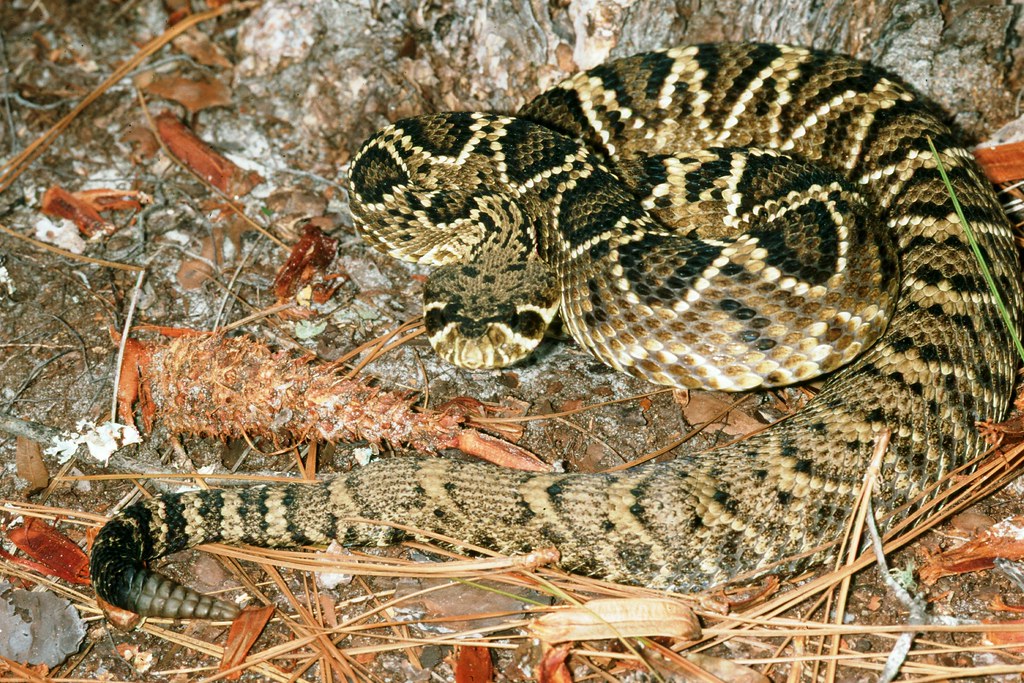
Eastern Diamondback Rattlesnake Crotalus adamanteus
North America’s heaviest rattlesnake; a symbol of our pine flatwoods and sandy scrubs. Encounters are uncommon, but unforgettable — the buzz is clear communication to back off.
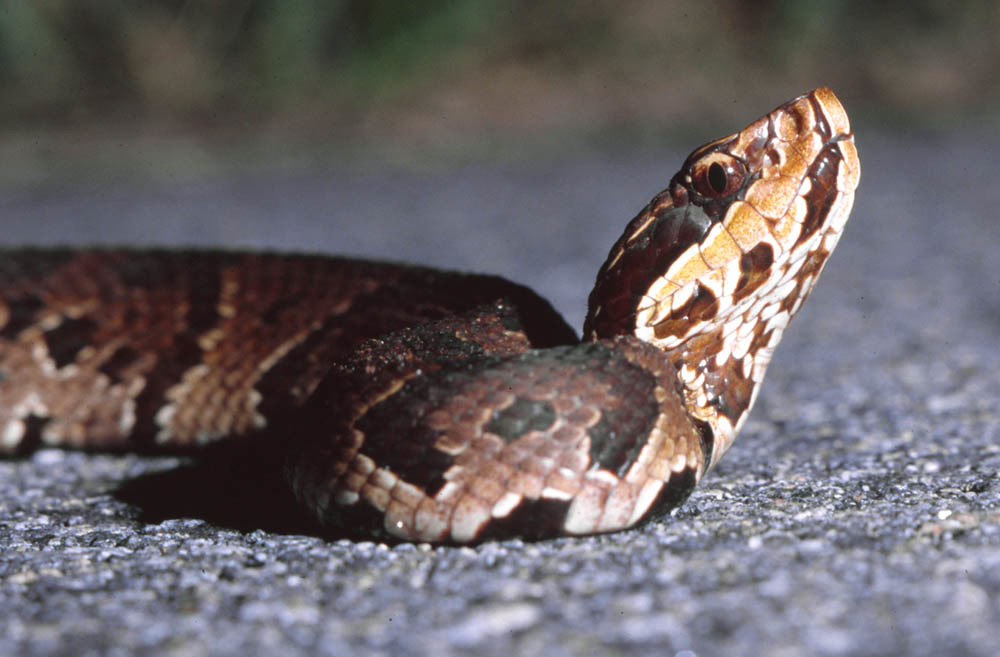
Florida Cottonmouth Agkistrodon conanti
A heavy-bodied, semi-aquatic pit viper most often seen near water. The classic “white mouth” display is a warning; the goal is to end the encounter.
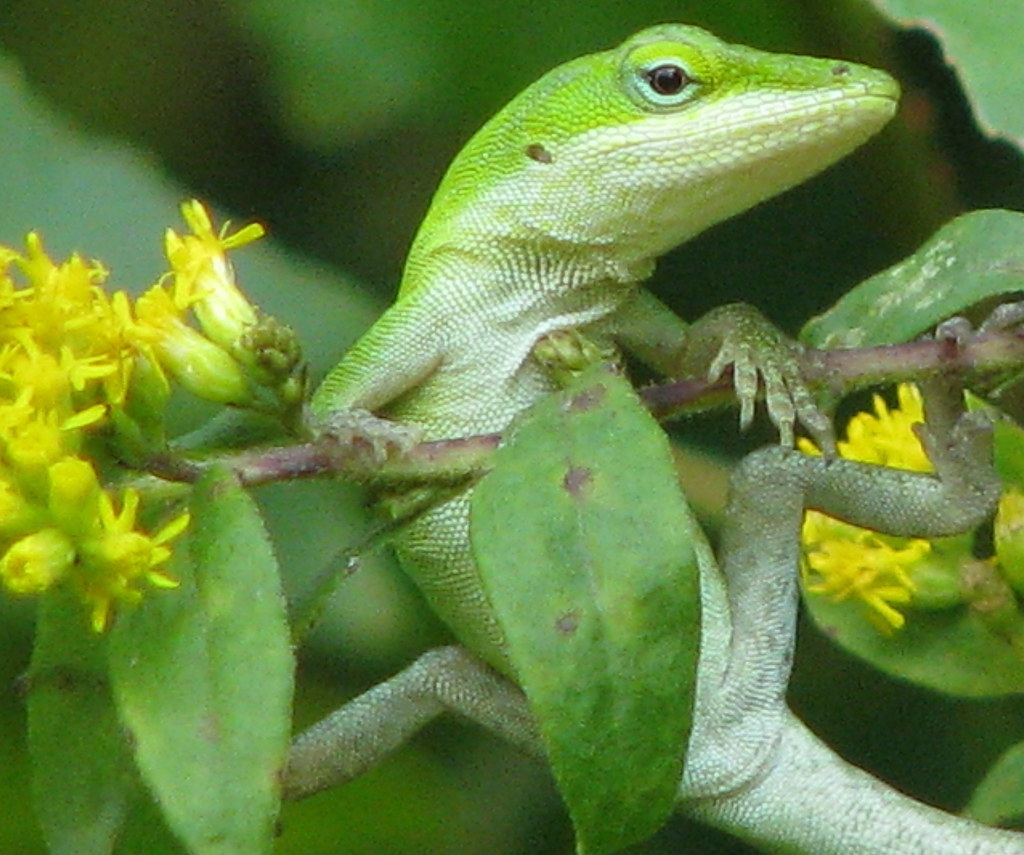
Green Anole Anolis carolinensis
Our native anole — delicate, quick, and able to shift from bright green to brown. Watch males flash pink dewlaps from fence posts and mangrove twigs.
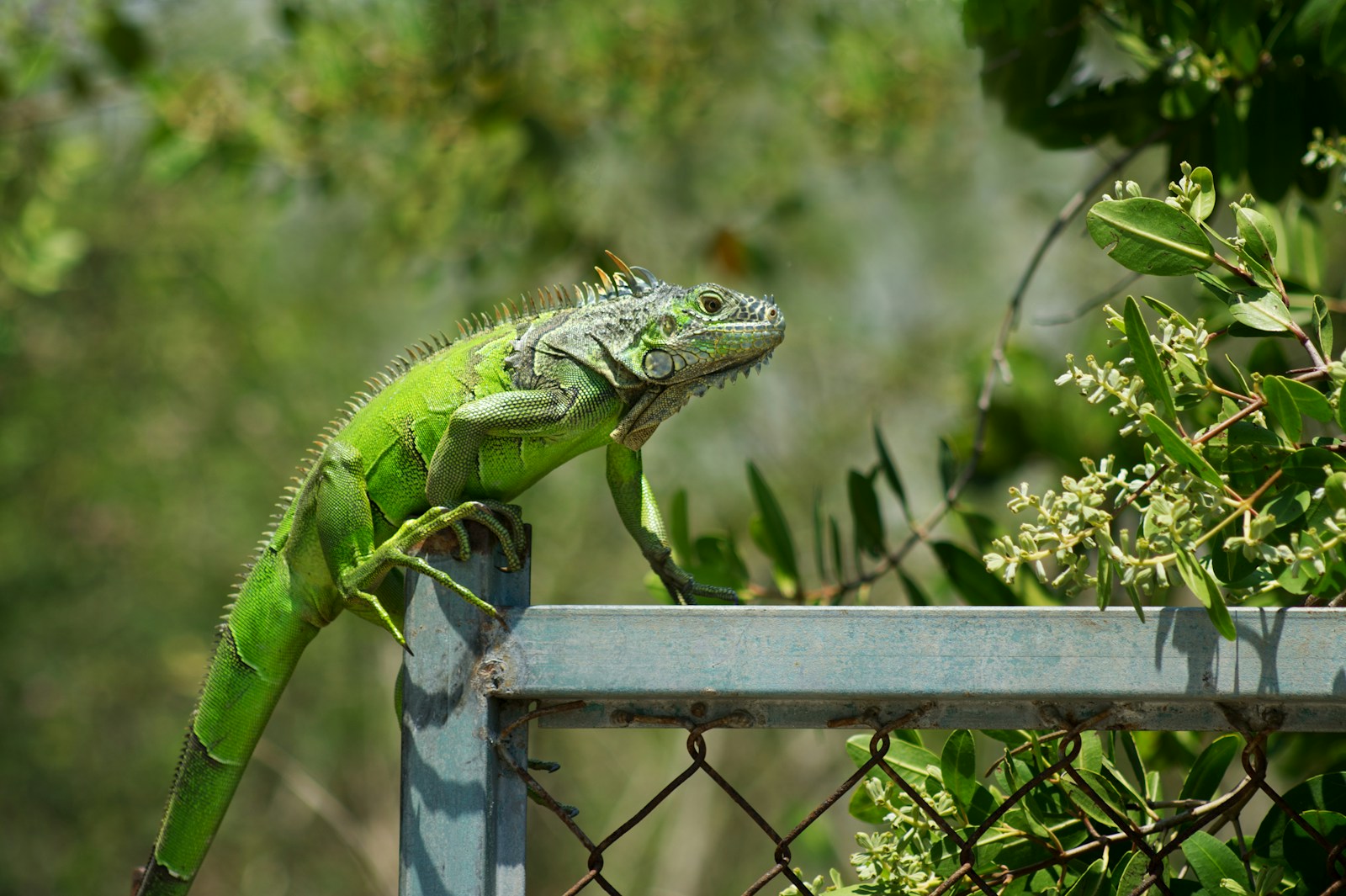
Green Iguana Iguana iguana
Large, sun-basking lizards introduced via the pet trade. Iguanas thrive along canals and seawalls, eating landscape plants and occasionally undermining banks with burrows.
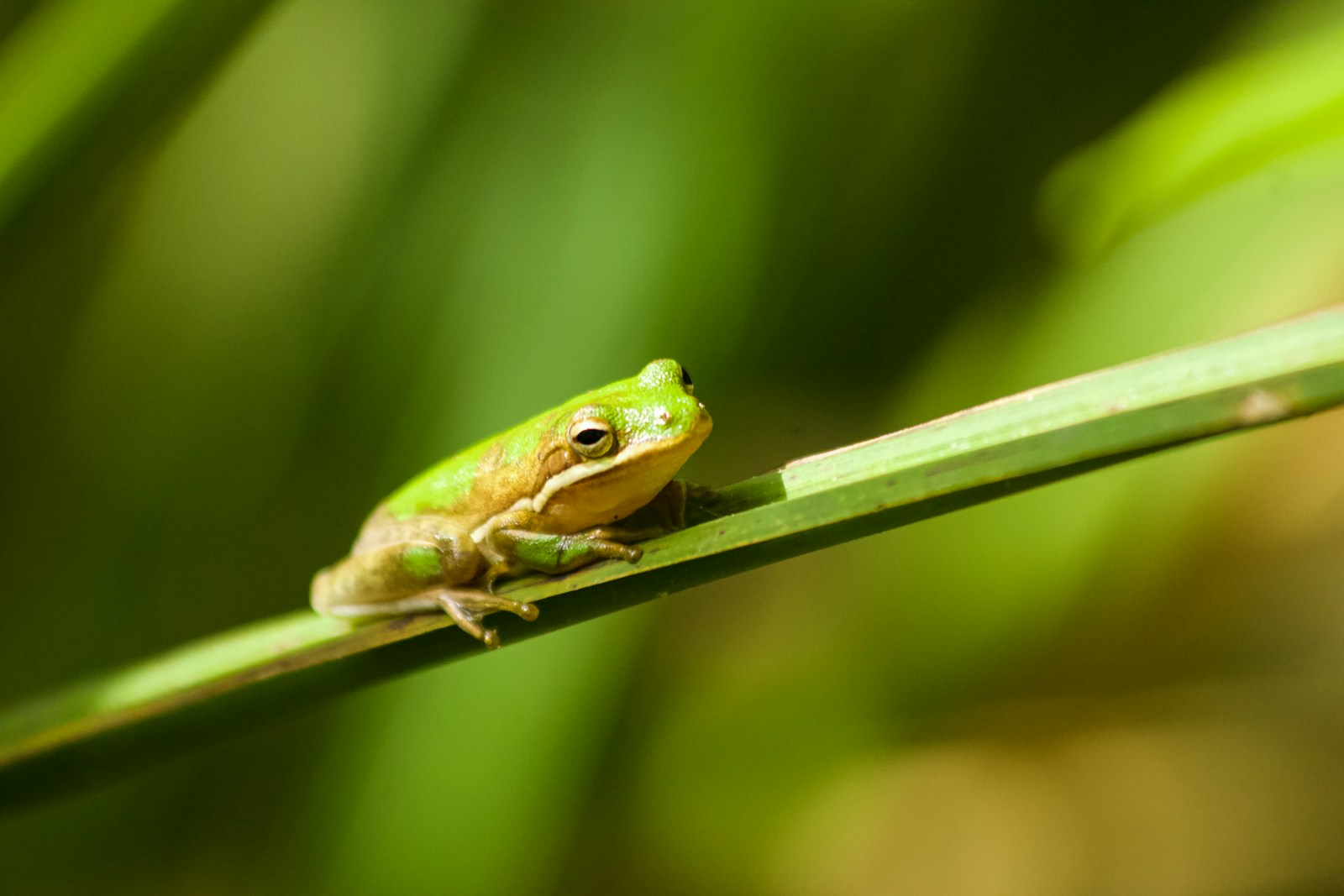
Green Treefrog Hyla cinerea
A neon note on rainy nights, calling from reeds and porch railings. These insect hunters are common near ponds and mangroves and stick to windows like tiny suction cups.
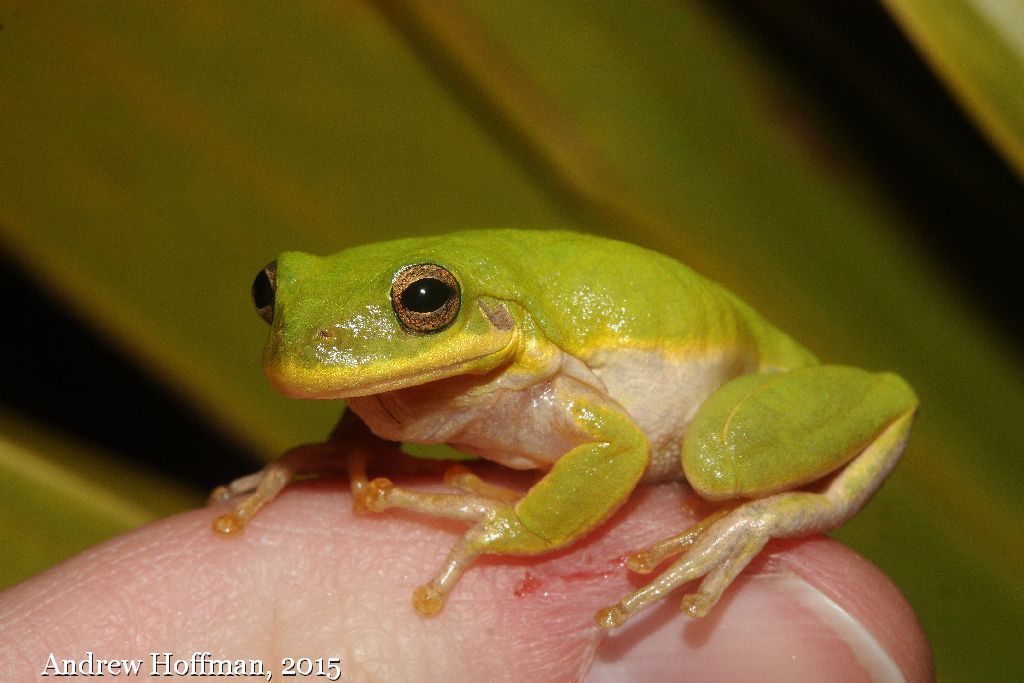
Squirrel Treefrog Hyla squirella
Small, variable, and active — the classic “rain frog” of neighborhoods and parks. Colors run from green to brown, sometimes with faint patterns.
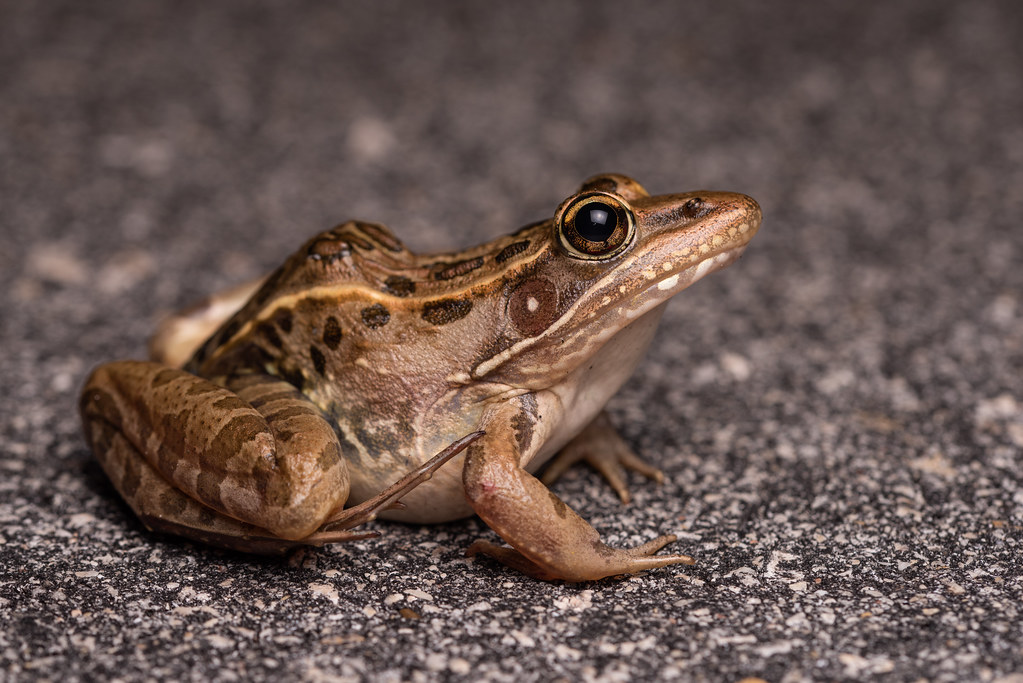
Southern Leopard Frog Lithobates sphenocephalus
Spot-sprinkled jumpers of marsh edges. Leopard Frogs spring from underfoot and vanish in a single launch, relying on speed more than camouflage.
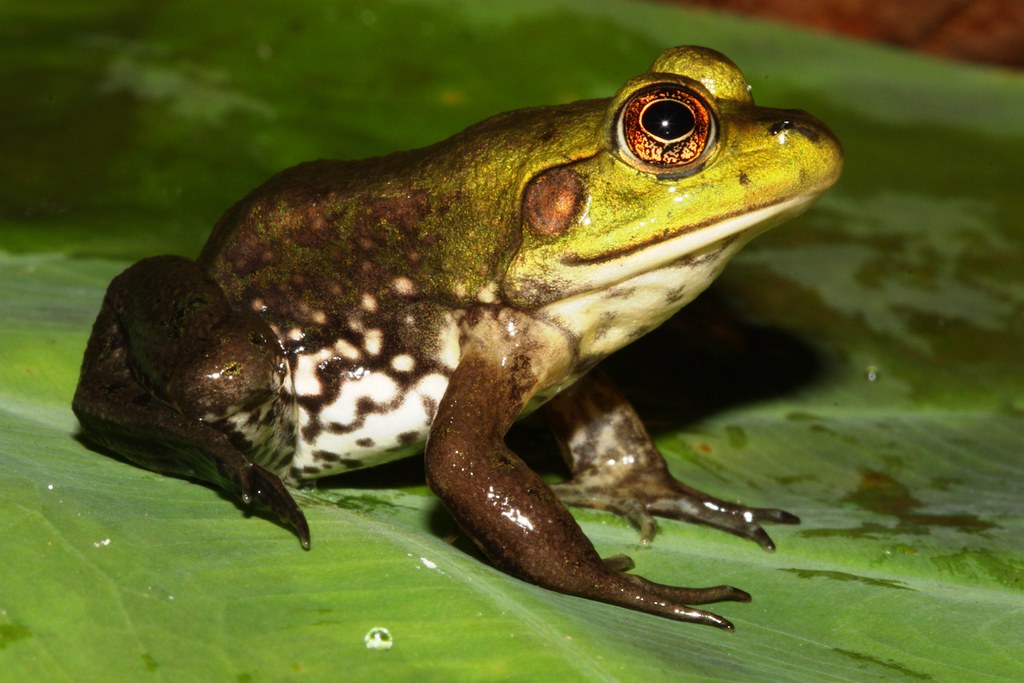
Pig Frog Lithobates grylio
Big frog, bigger voice — the deep “oink” carries across marshes at night. Pig Frogs haunt lily fields and canal edges and dive with a splash when spotted.
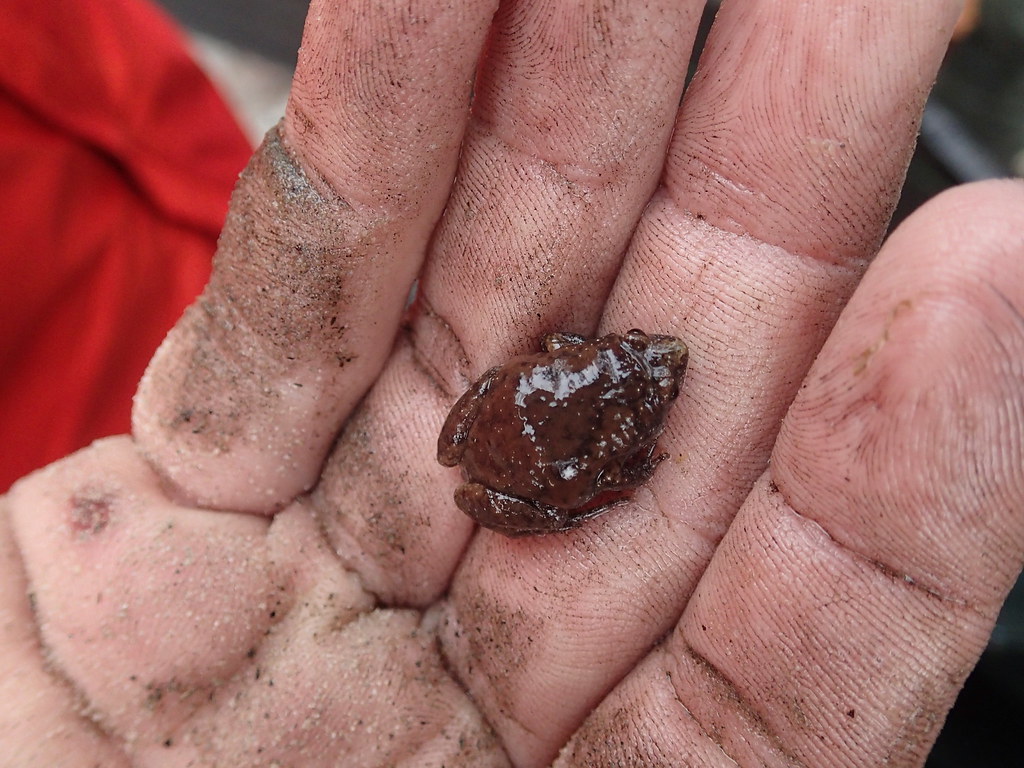
Eastern Narrow-mouthed Toad Gastrophryne carolinensis
A tiny ant specialist with a pointed face and fold of skin behind the head. Often heard buzzing from leaf litter after rains while staying perfectly hidden.