
Land Wildlife
Coastal and island mammals around mangroves, dunes, and preserves.
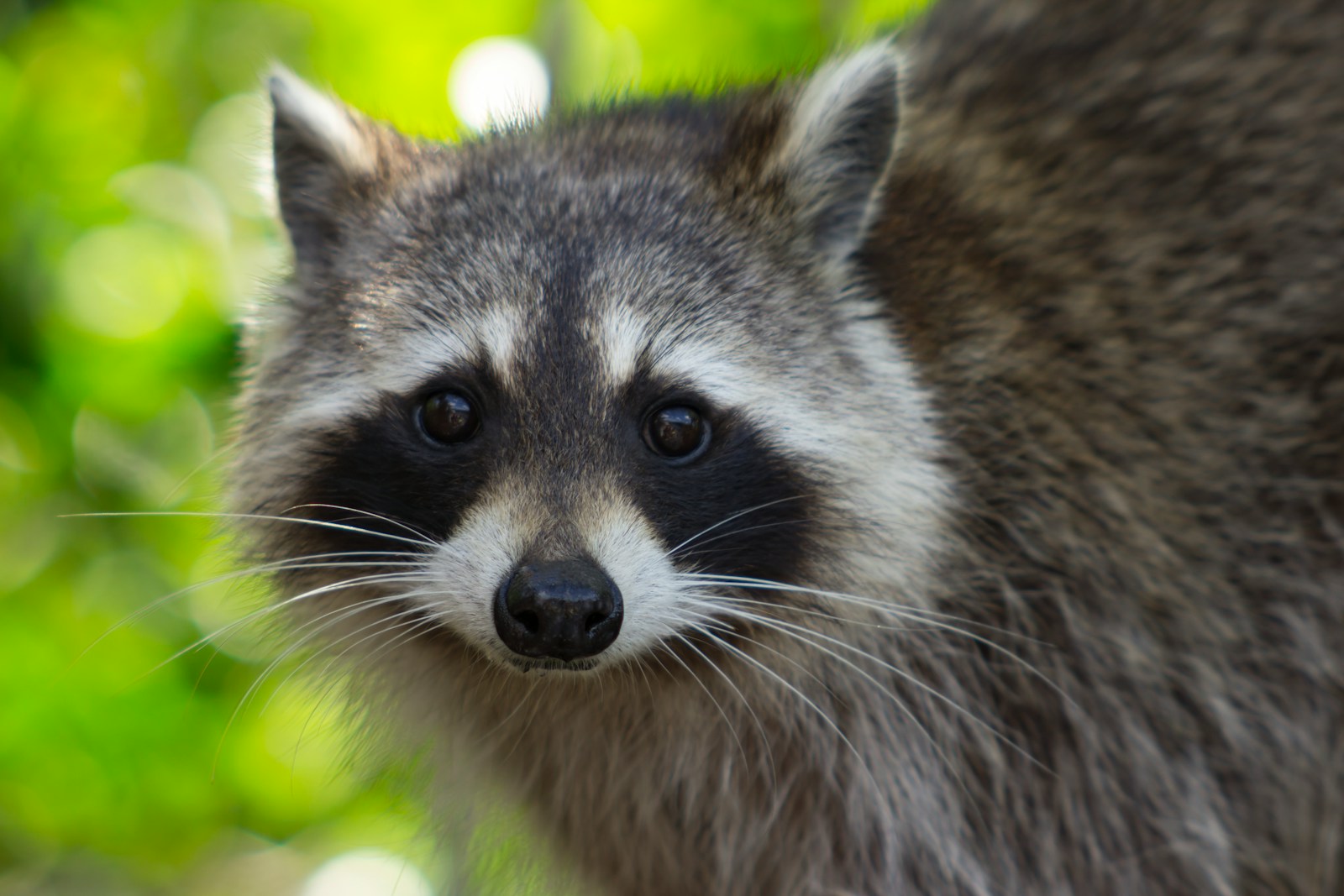
Northern Raccoon Procyon lotor
Curious, nimble, and far smarter than your cooler latch. Around mangroves and neighborhoods, raccoons work the twilight shift—crabbing along shorelines, investigating fish-cleaning stations, and patrolling picnic spots for dropped snacks. They’re fun to watch, but they quickly learn bad habits when people hand out food.
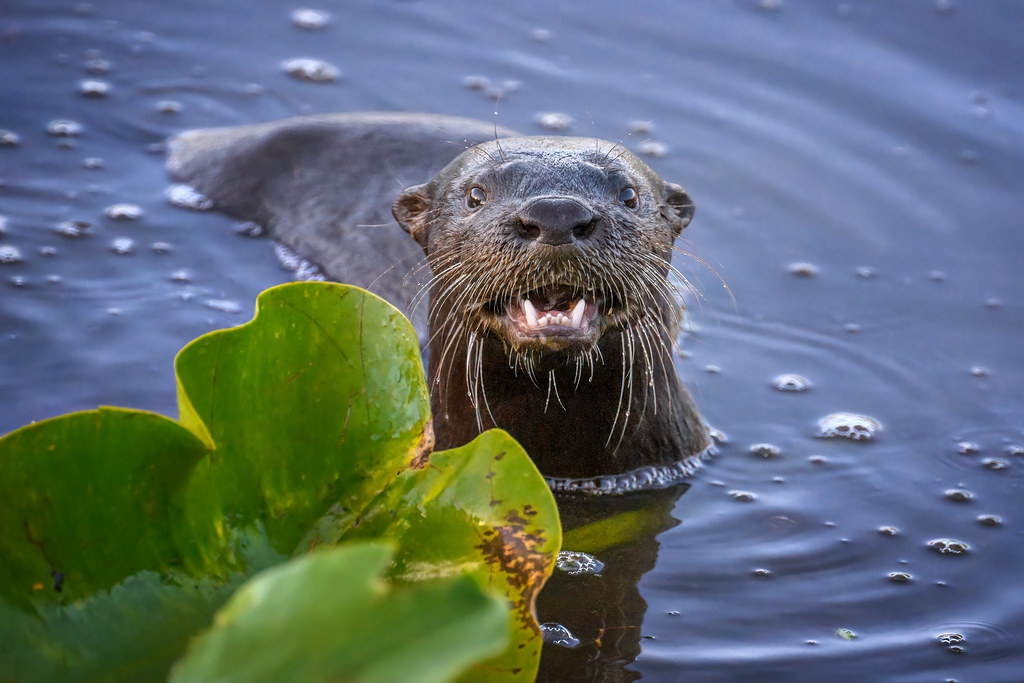
North American River Otter Lontra canadensis
Playful and sleek, otters rocket through tannic creeks and quiet bays chasing mullet and crabs. Look for periscope heads, rolling splashes, and the telltale slide marks on muddy banks. Family groups often travel together, chattering softly as they move.
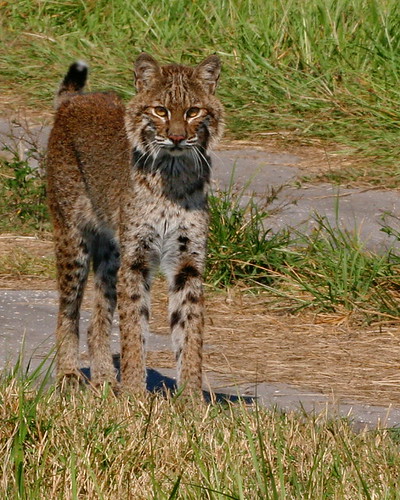
Bobcat Lynx rufus floridanus
Our small native wildcat—quiet, confident, and surprisingly tolerant of boardwalk paparazzi if you stay calm. They hunt rabbits, lizards, and birds along preserve edges and dune scrub, ghosting through saw palmetto with head-low focus.
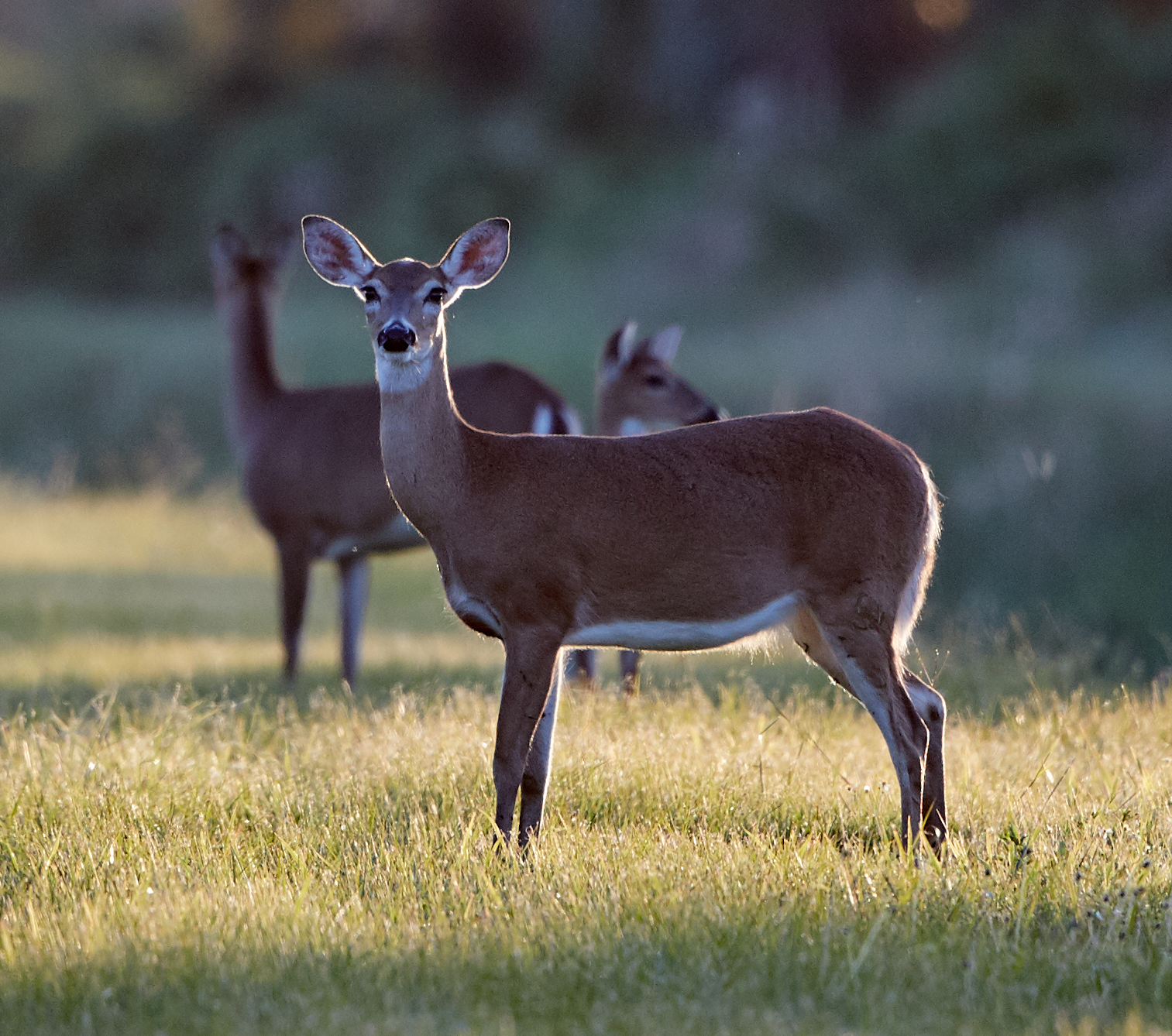
White-tailed Deer Odocoileus virginianus
Dawn silhouettes in the pines and quiet, watchful faces in the dunes. Our coastal deer move between hammocks and freshwater pockets, browsing on tender shoots and mangrove edges after rains.
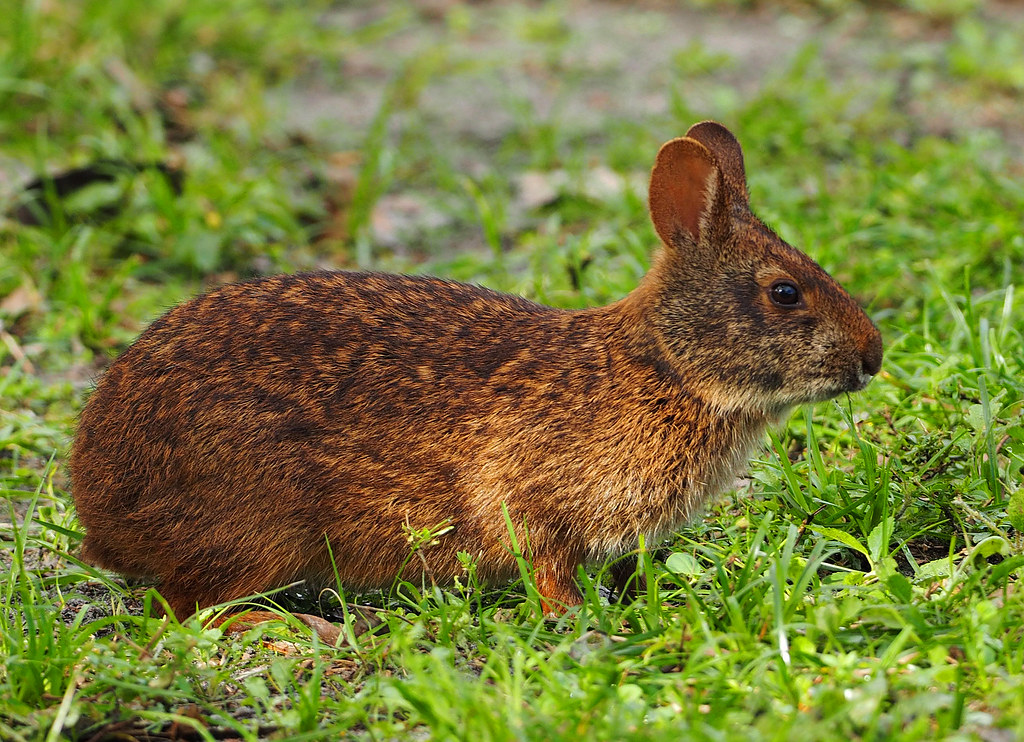
Marsh Rabbit Sylvilagus palustris paludicola
A true wetland rabbit with short ears and a dark, almost “no tail” look. They weave beneath sawgrass tunnels and pop onto boardwalks at first light to dry off and snack.
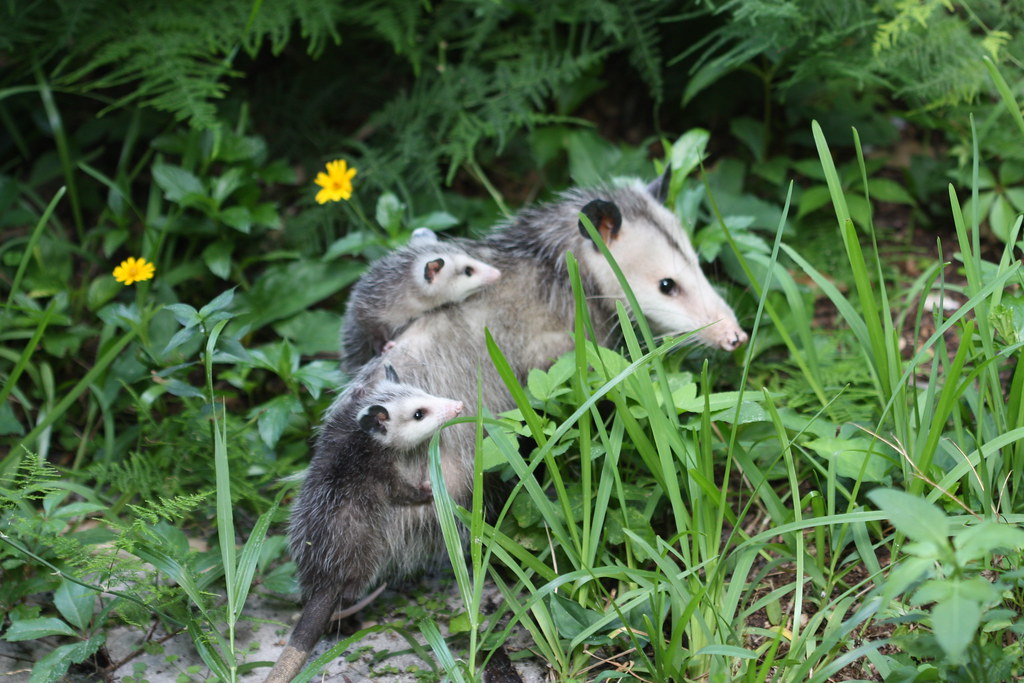
Virginia Opossum Didelphis virginiana
Our only native marsupial—gentle nighttime janitors that hoover up ticks, fallen fruit, and road scraps. The “play dead” trick is a nervous reflex; most quickly waddle away when given room.
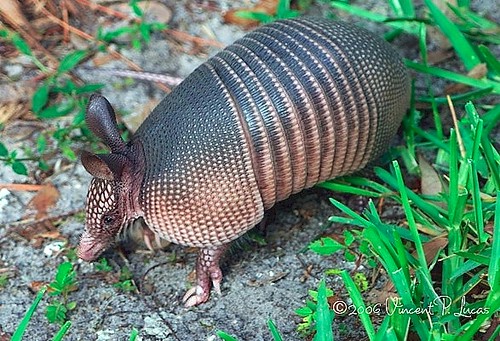
Nine-banded Armadillo Dasypus novemcinctus
Helmeted diggers that shuffle along trails with noses to the ground. They aerate soil while hunting beetles and worms, and they’ll spring straight up when startled—giving both of you a laugh.
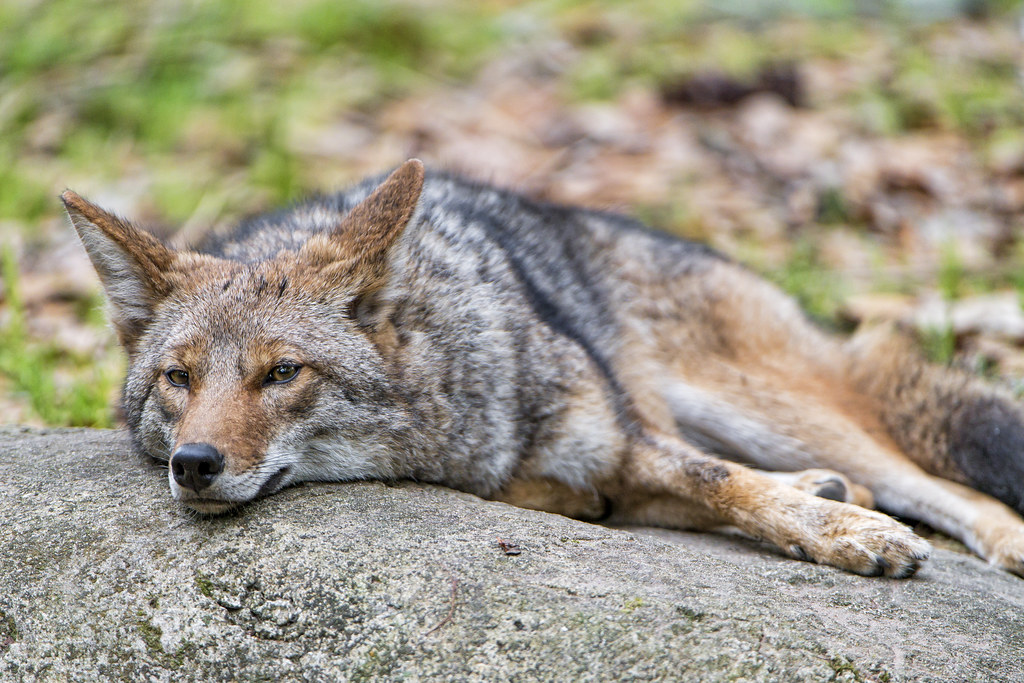
Coyote Canis latrans
Adaptable, wary, and increasingly common in coastal greenbelts. Coyotes help keep rodent and rabbit numbers balanced, moving mostly at night and early morning.
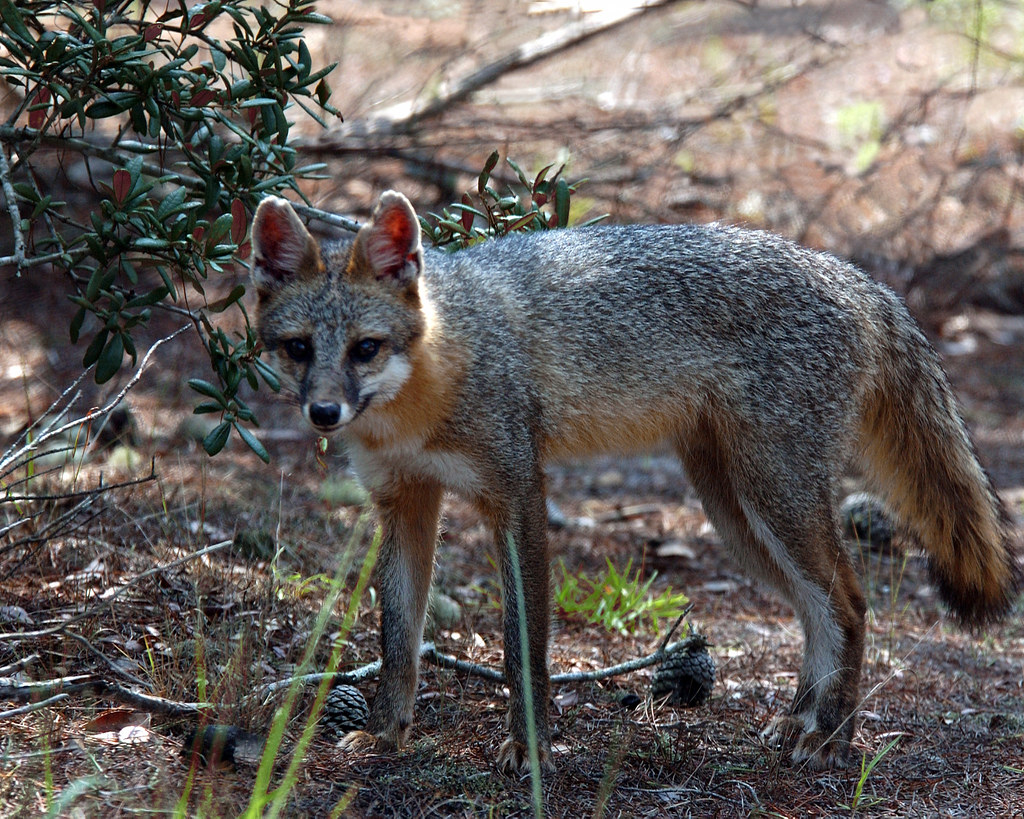
Gray Fox Urocyon cinereoargenteus
A tree-climbing fox—nimble and secretive. Gray foxes work oak hammocks and mangrove rises for insects, fruit, and small prey, often slipping up low limbs to rest.
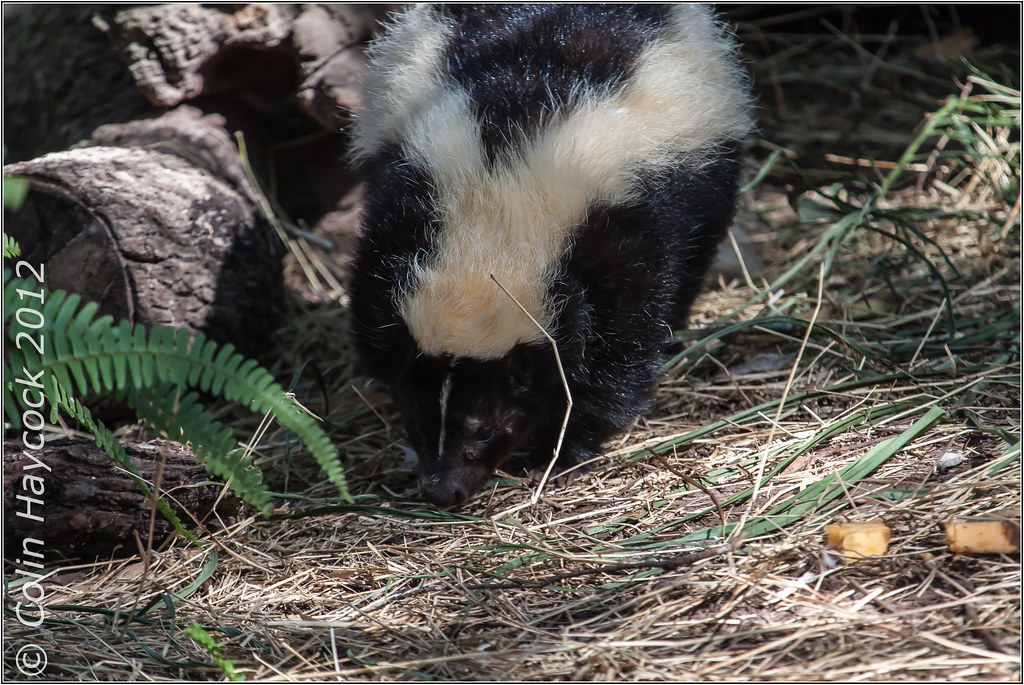
Striped Skunk Mephitis mephitis
Low, fluffy, and usually unhurried—until startled. Skunks probe lawns and trail edges for grubs and beetles. That raised tail is a polite warning; heed it and everyone goes home happy.
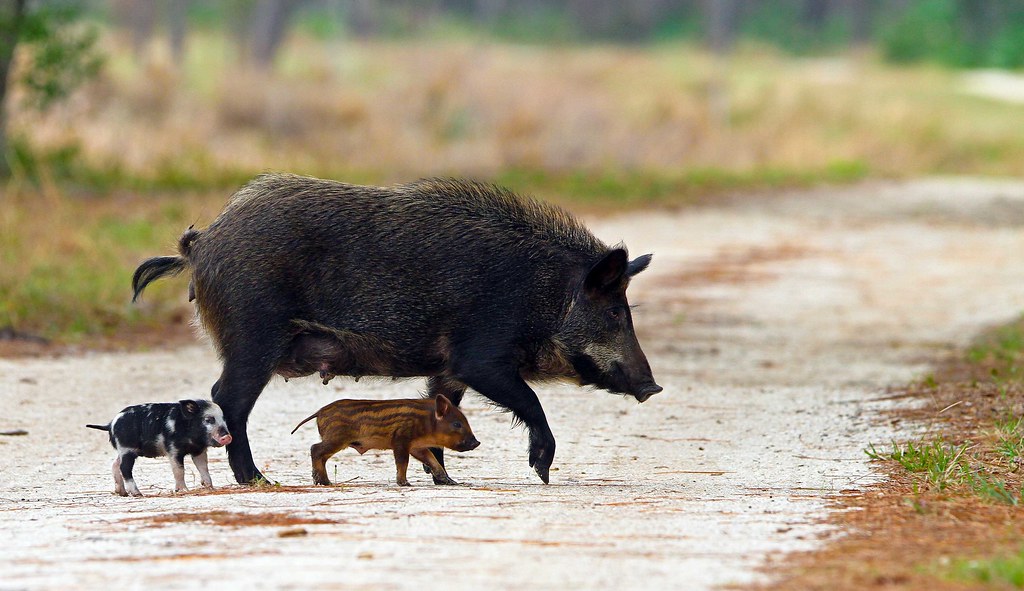
Feral Hog Sus scrofa
Rooting omnivores that tear up soil and wetlands, competing with native wildlife. You’ll notice churned earth (“rooting”) and muddy wallows along preserve edges after rains.
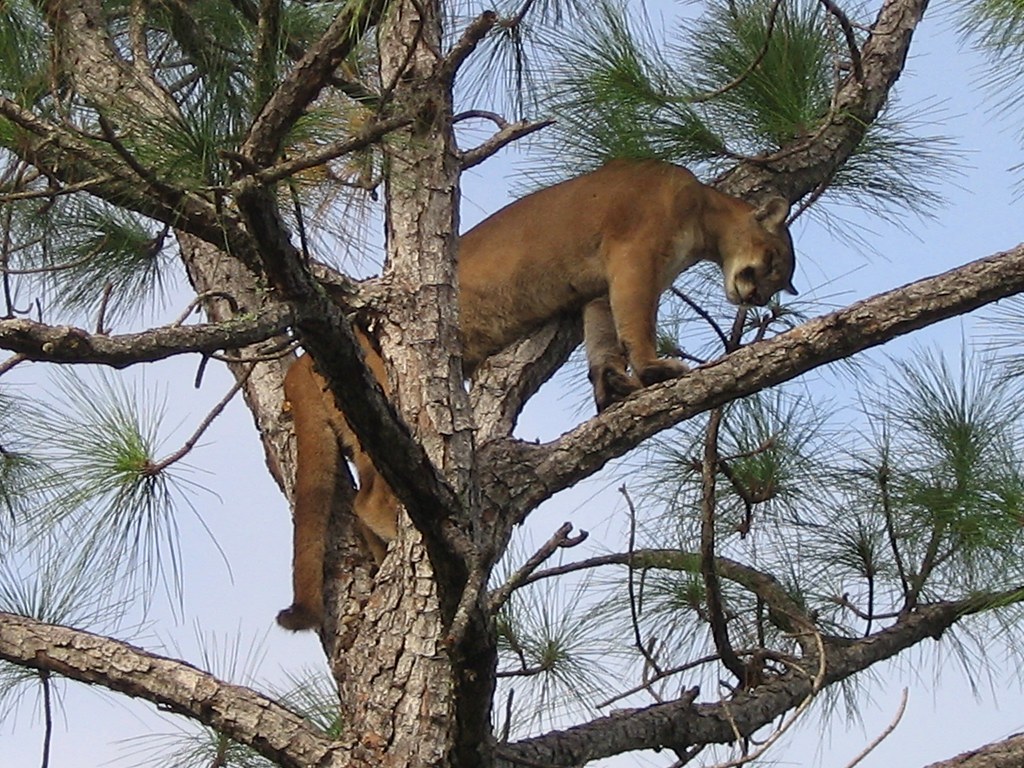
Florida Panther Puma concolor coryi
Our elusive state mammal—rarely seen but often signed: track prints along sandy roads, game-camera cameos, and roadside crossing signs. Panthers roam huge territories across preserves and ranchlands, moving mostly at night.