
Invasive Species
Non-native species impacting Southwest Florida’s land and waters.
How to spot & respond
Start where wild meets built—canals, seawalls, culverts, mangrove edges, gardens, and piers. Notice patterns first: where they bask, burrow, root, or hunt. Learn a few unmistakable ID cues, keep pets safe, and report rather than relocate. Small choices—plant lists, gear rinses, sealed feed—change outcomes on the ground.
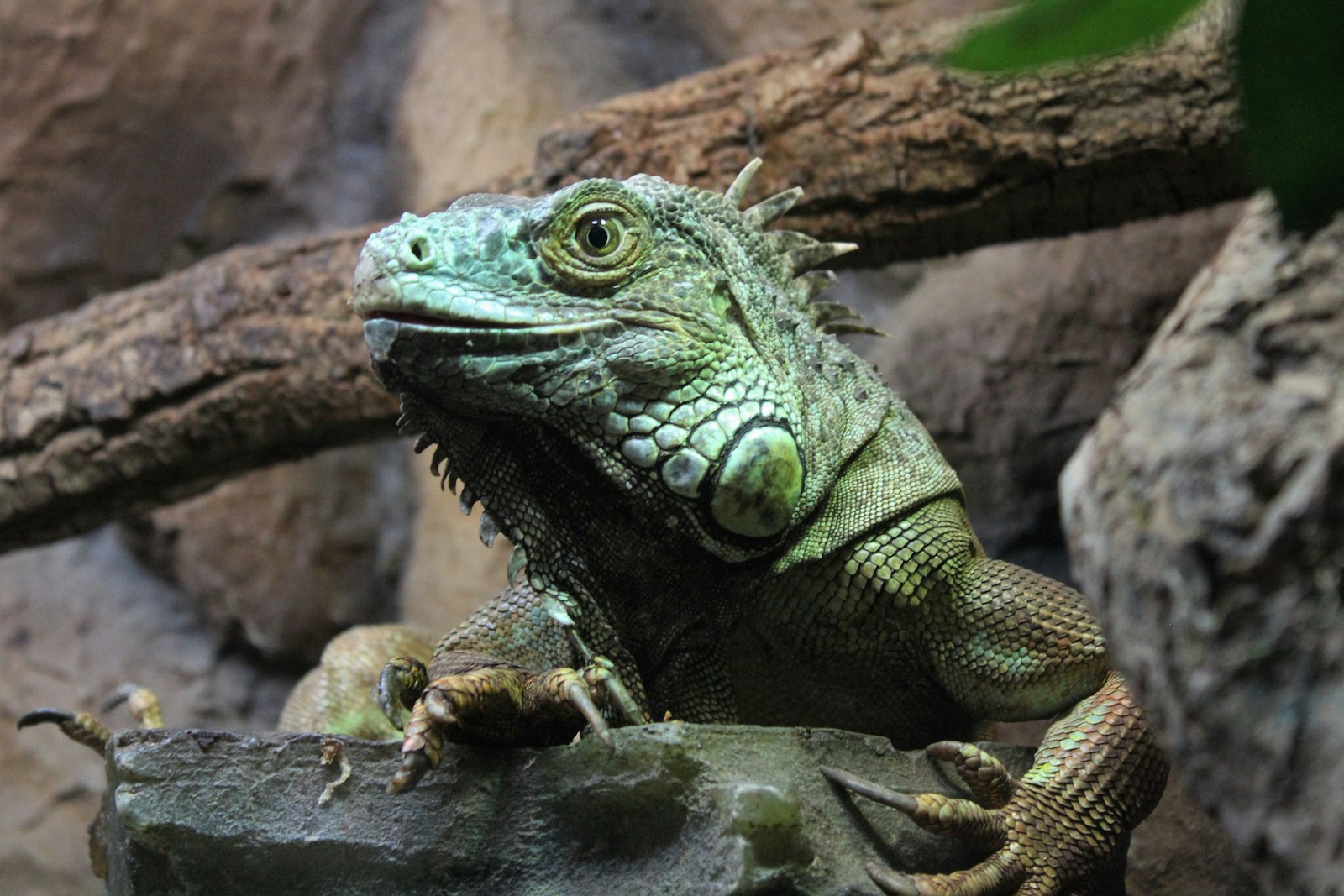
Green Iguana (Iguana iguana)
Pet-trade escapee turned canal regular. Iguanas read heat and hardscape—basking on riprap and dock rails, then sliding into shrubs to graze ornamentals. Burrows look harmless until a storm swells them and banks slump. Plants, shade, and access points tell you where they’ll be tomorrow.
- ID tips: Long tail, crest spines, big throat dewlap; adults green to gray-green.
- Impact note: Eats landscape plants; burrows undermine seawalls and embankments.
- Respect & safety: Don’t feed or release; harden plantings, block crawl-ins, and report active bank burrows.
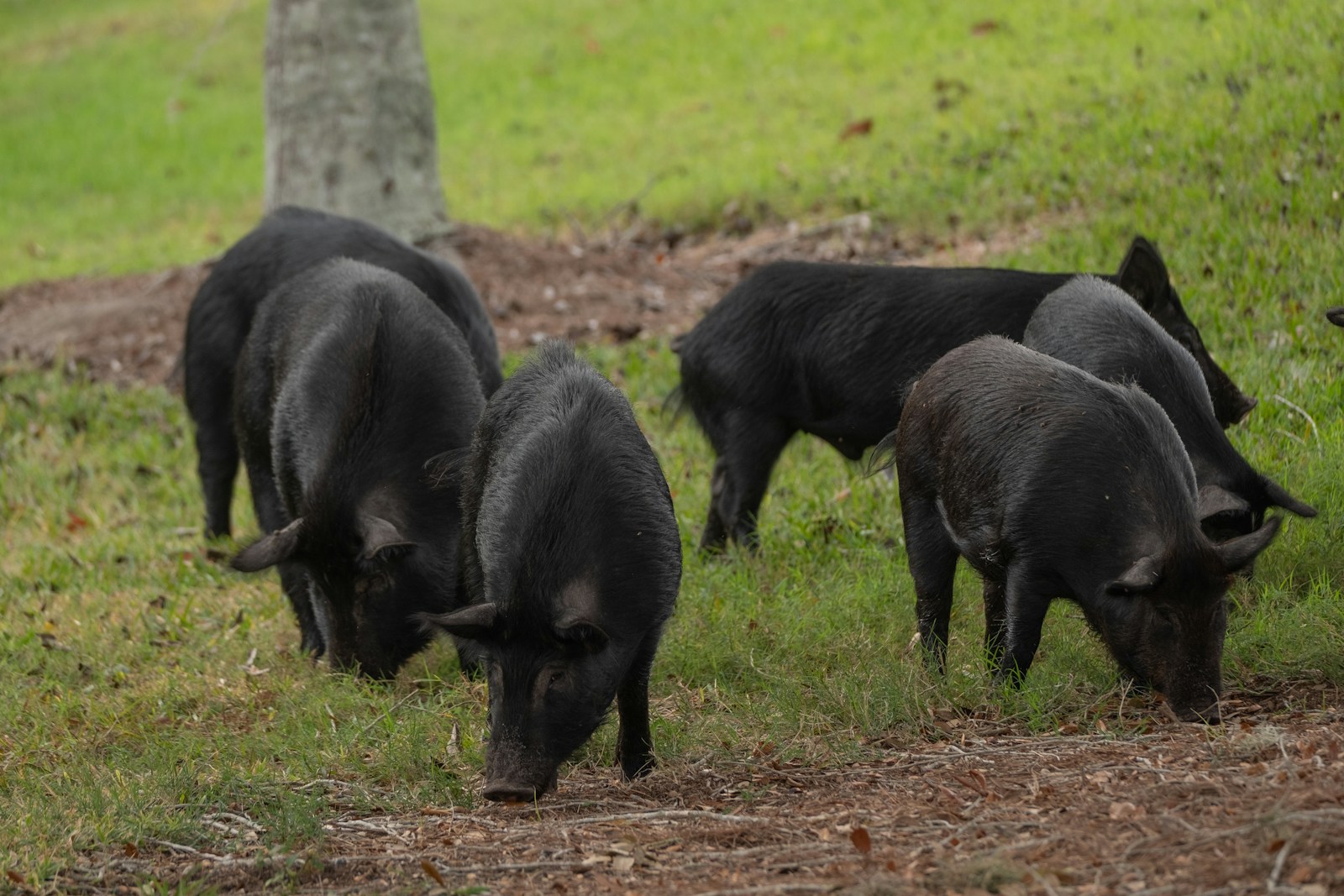
Feral Hog (Sus scrofa)
The ground tells on them: fresh flips of sod, muddy wallows, and rubbed trunks at shoulder height. Hogs work ecotones the way tides work flats—fast and thorough—leaving native groundcover and crops torn up and water muddy after rains.
- ID tips: Stocky build, bristly coat; two main toes with dewclaw marks in soft soils.
- Impact note: Soil disturbance, crop damage, nest predation; collision hazard on rural roads.
- Respect & safety: Keep distance; secure feed and trash; coordinate removal with permitted pros.
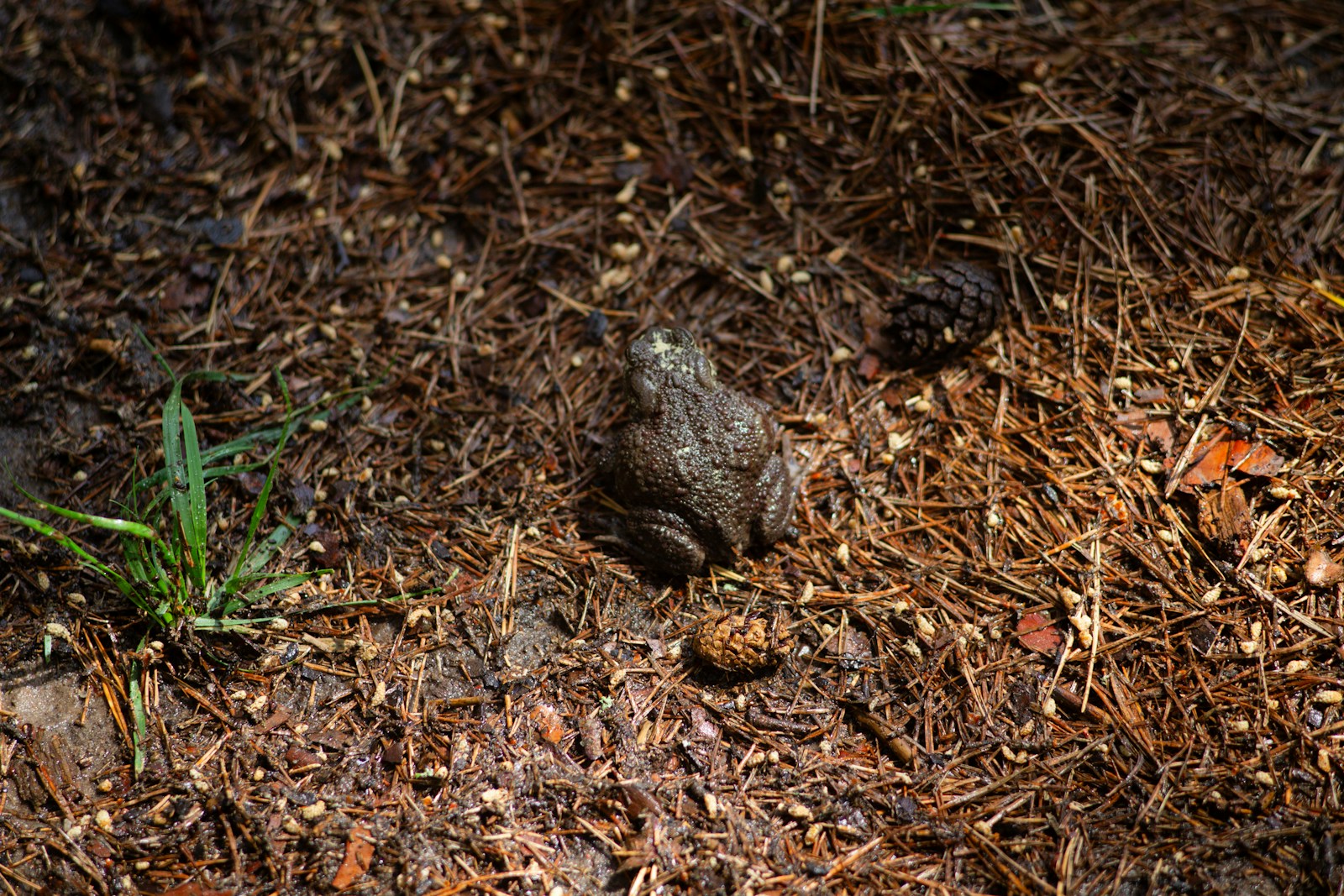
Cane Toad / “Bufo” (Rhinella marina)
Night-shift hunter drawn to porch lights, sprinklers, and pet bowls. Large parotoid glands mean potent toxins—why dogs mouthing one can get in trouble fast. Manage light and water, and these encounters drop off.
- ID tips: Heavy, warty toad; huge angled parotoid glands behind the head.
- Impact note: Toxins harm pets/wildlife; quick population booms in suburban water bodies.
- Respect & safety: Supervise pets at night; remove standing water; follow humane control guidance (gloves on).
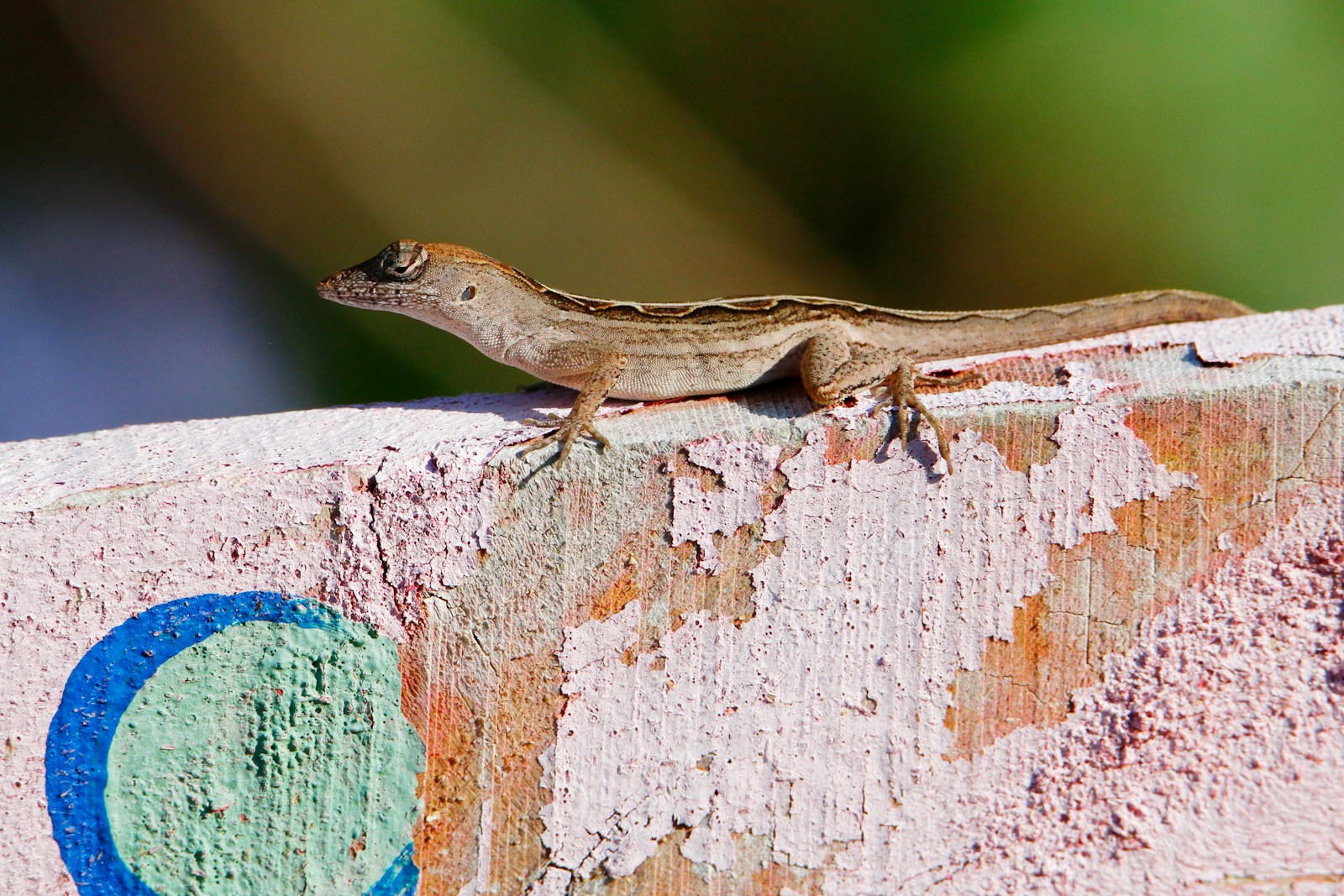
Cuban Brown Anole (Anolis sagrei)
Sidewalk sprinters. These little predators dominate low shrubs and pavers, pushing native green anoles up and out. Trimless edges and stacked pots? That’s prime anole real estate.
- ID tips: Brown body, banded tail; males flash an orange-red dewlap.
- Impact note: Displaces native green anoles; shifts backyard insect dynamics.
- Respect & safety: Reduce ground clutter; plant native layers; never release pet reptiles.
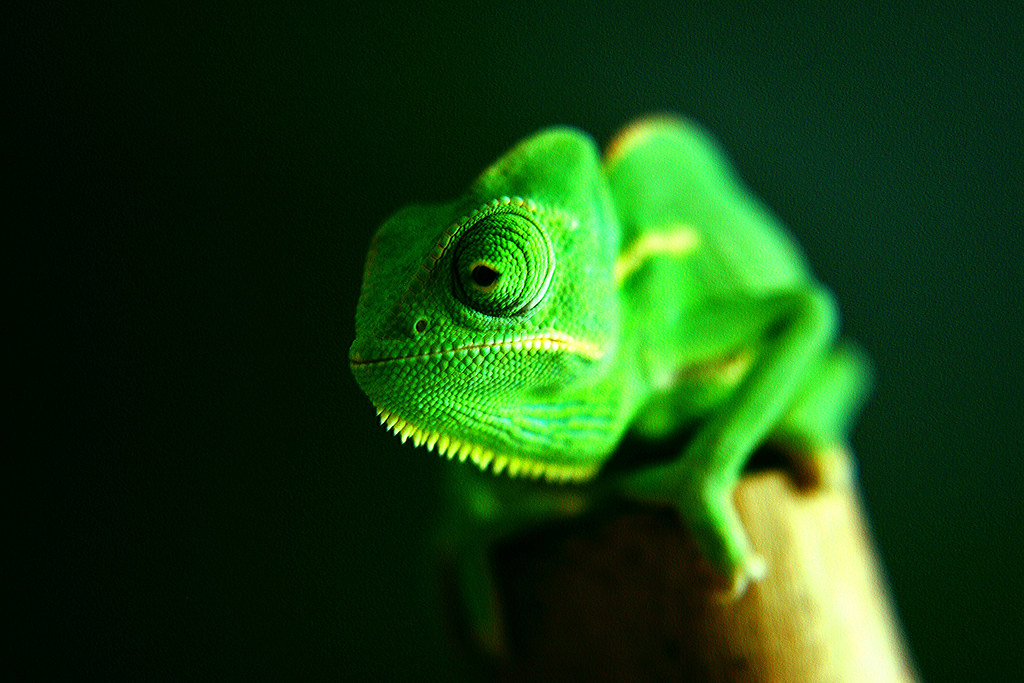
Veiled Chameleon (Chamaeleo calyptratus)
Arboreal ambush artist with a periscope on its head. Color shifts track mood and temperature; the tongue is a spring-loaded harpoon. Small, localized pockets start near neighborhoods—don’t help them spread.
- ID tips: High casque, turret eyes, mitten-like grasping feet; green base with banding.
- Impact note: Predation pressure on native tree-dwellers and insects; risk of local establishment.
- Respect & safety: Observe, don’t collect; report sightings; avoid handling—stressful and may be regulated.
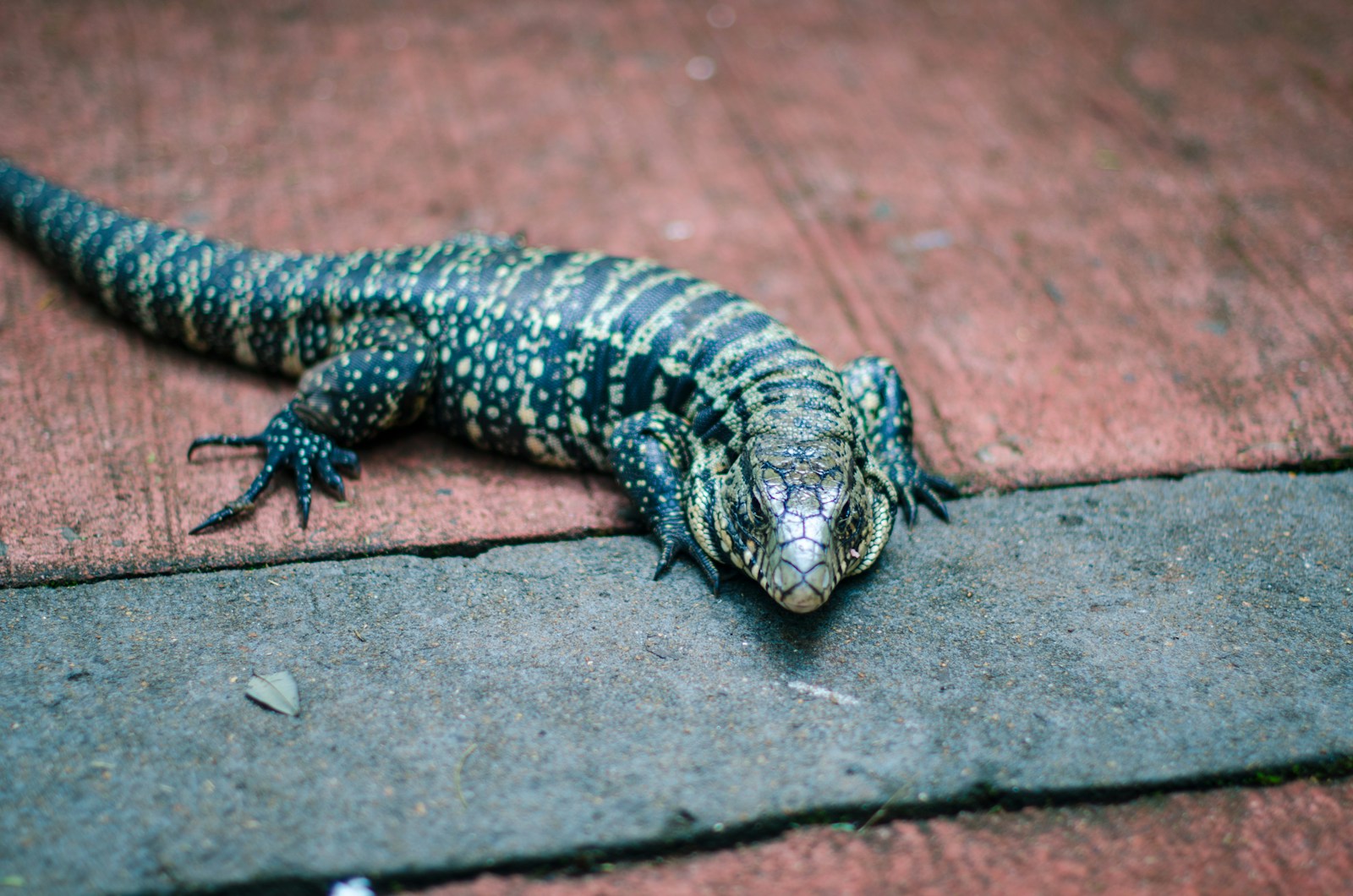
Argentine Black & White Tegu (Salvator merianae)
Egg-raider with a broad palate. Tegus comb disturbed edges and burrow sites, keying on heat and opportunity. Ground-nesting birds and turtles pay the price when numbers climb.
- ID tips: Bold black-and-white bead pattern; heavy jowls on big males.
- Impact note: Predation on native eggs and hatchlings; competition with native predators.
- Respect & safety: Don’t attempt capture; secure outdoor pet food and attractants; report sightings promptly.
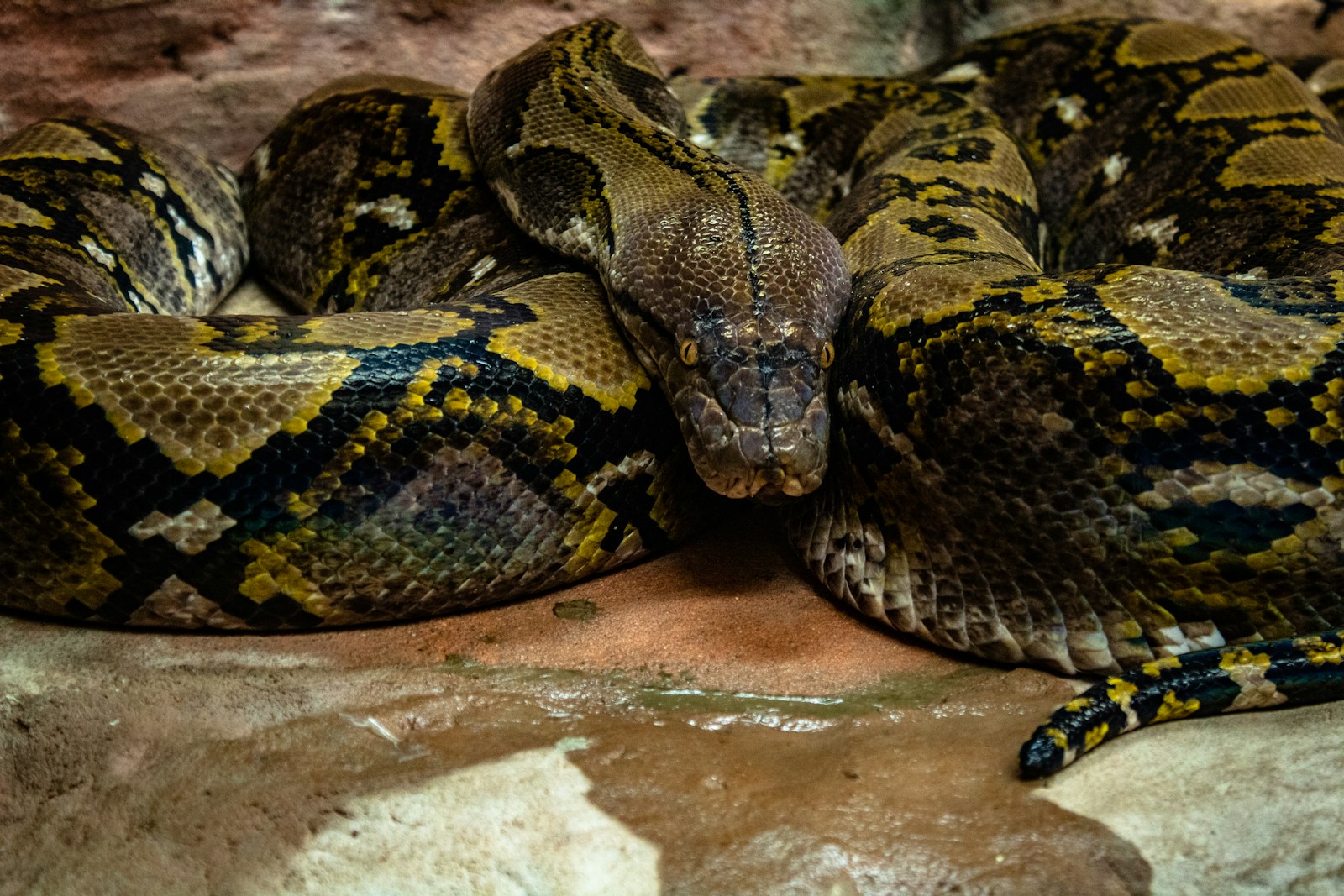
Burmese Python (Python bivittatus)
Silent muscle in camo. Where canals stitch wetlands to suburbs, pythons move at night and lie tight by day—pulling down small mammals and the occasional bird. Hard to see doesn’t mean not there.
- ID tips: Brown/tan blotches with dark borders; spear mark on head.
- Impact note: Documented mammal crashes in invaded systems; broad predation on vertebrates.
- Respect & safety: Do not approach; report credible sightings; removals belong to trained, permitted teams.
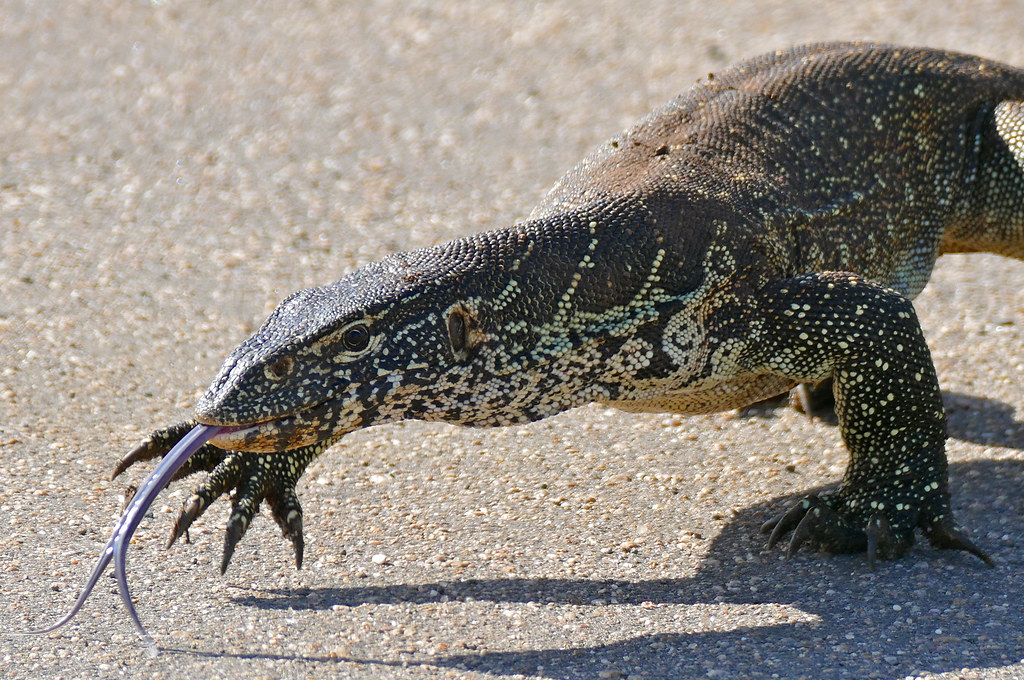
Nile Monitor (Varanus niloticus)
Long, wary, and built for water. Monitors thread along rock piles and banks, diving clean and digging fast. Eggs, small animals, carrion—if it’s protein and reachable, it’s on the menu.
- ID tips: Long tail and neck; banded yellow pattern; forked tongue flicks.
- Impact note: Predation on native wildlife; burrowing destabilizes banks.
- Respect & safety: Give space; never corner; report sightings rather than pursuing.
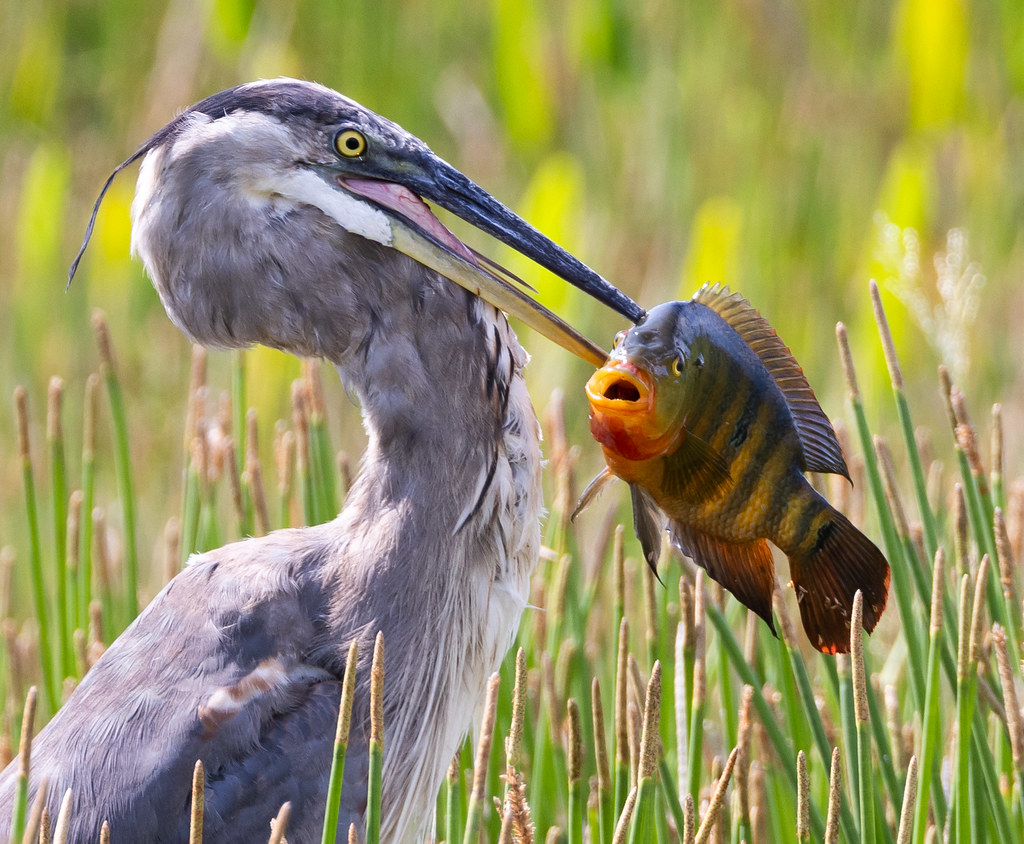
Mayan Cichlid (Cichlasoma urophthalmus)
Tough as rebar and just as at home in structure. Mayans squat in mangrove creeks and canal corners, muscling out natives and thriving in swings of salinity and temperature.
- ID tips: Vertical bars with a bold tail ocellus; reddish wash along flanks.
- Impact note: Competition with native sunfishes; changes to small-water community mix.
- Respect & safety: Follow harvest rules; never move live fish; aquarium releases are a hard no.
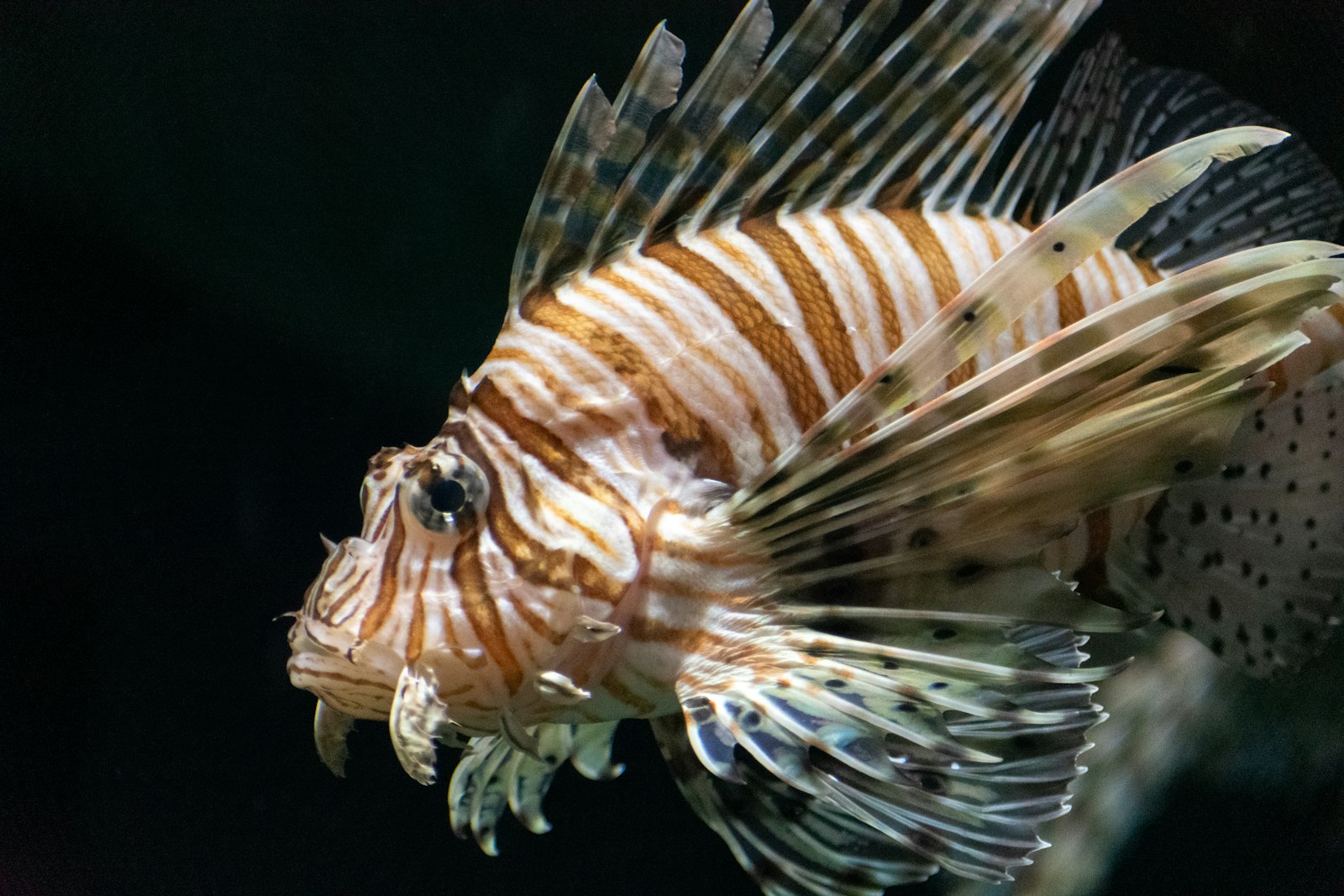
Lionfish (Pterois volitans/miles)
The tuxedoed ambush. Lionfish fan out fins, herd small fish, and strike—quietly reducing tomorrow’s reef. Wrecks, towers, ledges: if it casts a shadow, expect a lionfish under it.
- ID tips: Bold zebra banding; long dorsal spines; wide fanlike pectorals.
- Impact note: Depresses juvenile reef-fish recruitment; local diversity drops in heavy infestations.
- Respect & safety: Venomous spines; removals via trained divers and permitted derbies.
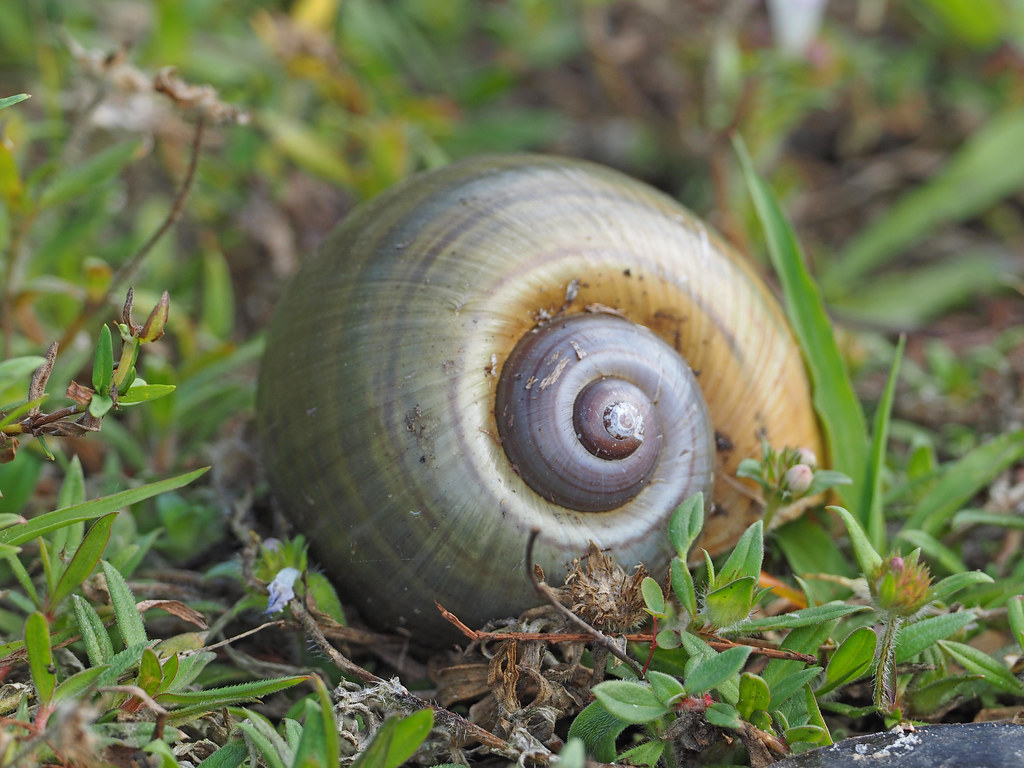
Island Apple Snail (Pomacea maculata)
A plant-eating engine with neon breadcrumbs. Those bright pink egg clumps on reeds and docks mark infestations that can strip wetlands and tangle management canals.
- ID tips: Large globe shell; pink egg masses laid above the waterline.
- Impact note: Aquatic vegetation loss, reduced habitat quality, clogging of water control.
- Respect & safety: Don’t move snails/eggs; scrape and bag eggs per local guidance; rinse gear between waters.
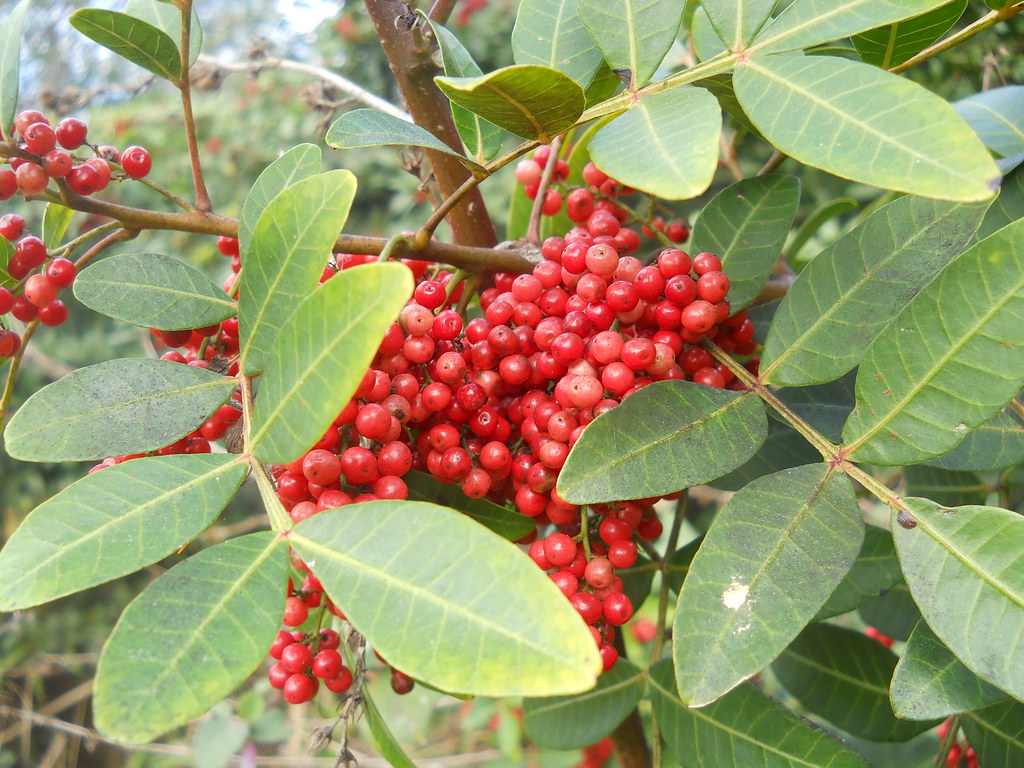
Brazilian Pepper (Schinus terebinthifolia)
A shade-casting thicket builder. Birds spread the berries far; cut stems resprout if you don’t follow through. Where it takes hold, native understory blinks out.
- ID tips: Opposite glossy leaflets on a lightly winged rachis; clustered red berries; peppery scent when crushed.
- Impact note: Monocultures along edges and wetlands; recurring costs if control is half-done.
- Respect & safety: Use cut-stump or basal-bark methods per local guidance; bag seed material; replant with natives to lock in gains.
See something invasive?
Don’t release pets. Report sightings and use humane, legal control. We’re building quick guides to help you act confidently.